
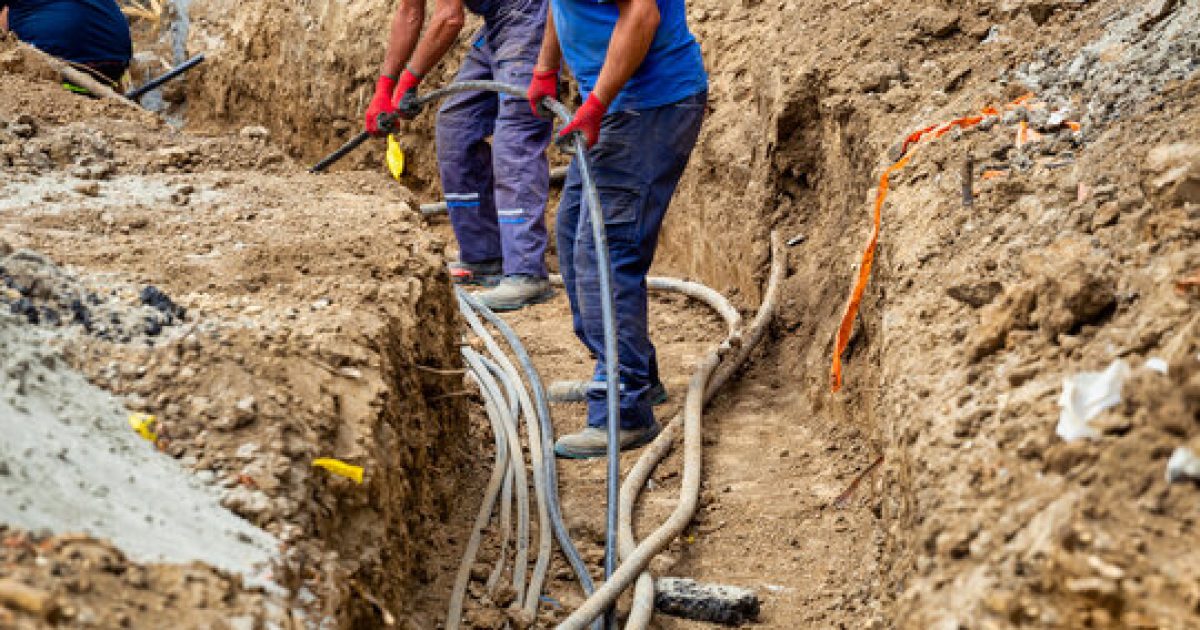
Across the Auckland region, more homeowners, builders, and developers are choosing to install essential utilities underground instead of overhead. Whether you’re building a new home, upgrading an older property, or developing a subdivision, safe and compliant underground power installation Auckland services ensure long-term reliability, improved safety, and better aesthetics.
Civil Connection specialises in underground utility trenching, conduit installation, buried cable pathways, and full Vector inspection coordination. Their approach ensures every installation meets Auckland Transport, Council, and NZ electrical safety standards.
This guide explains the full underground power installation process, common challenges, and why professional civil execution is essential for passing inspections the first time — especially for underground utility upgrades Auckland homeowners and developers depend on.
Why Underground Power Is the Preferred Choice in Auckland
Overhead power lines are vulnerable to:
Storm damage
Fallen branches
Vehicle impacts
Aging poles
Maintenance outages
Underground systems provide:
Increased reliability
Better protection from the weather
Cleaner visual appearance
Fewer future interruptions
Improved long-term safety
This is why many new builds and renovations request buried power cable installation Auckland customers trust.
The installation process, however, must follow strict requirements set by Vector, AT, and NZ standards – making expert civil work essential.
What Underground Power Installation Involves
The process of installing underground power includes multiple coordinated stages. Civil Connection manages all steps to ensure a smooth, compliant and efficient outcome.
1. Site Evaluation & Utility Planning
Civil Connection begins with a detailed on-site assessment:
Determining power entry points
Checking easements and boundary access
Locating existing underground utilities
Planning optimal trench paths
Avoiding stormwater and drainage systems
Ensuring future-proofing options
This planning prevents clashes and reduces excavation time.
2. Locating Existing Utilities
Safe excavation requires knowing what lies below the surface.
Civil Connection follows strict safety steps:
Dial Before You Dig (DBYD) utility location
Using council and Vector network maps
Fibre and gas locating
Marking buried services
Ensuring safe distances and separation
Striking an underground utility can be extremely costly and dangerous. Professional experience prevents unnecessary risk.
3. Excavation & Trenching to Required Standards
Once utilities are located, Civil Connection digs trenches according to Auckland and NZ standards.
Typical trench requirements:
Depth: 600-750 mm minimum (depending on location)
Width: Sized for conduit bundles
Separation: Required gaps from water, gas, and fibre
Surface protection:Required in public spaces
Trenching includes:
Straight trench lines
Smooth trench base
Safe sidewalls
Managing groundwater or soft soil
Rock removal or hard-ground excavation
The trenching stage is crucial for successful underground utility upgrades Auckland projects, and must be done precisely.
4. Conduit Selection & Installation
Power conduits protect the cable and ensure long-term durability.
Civil Connection installs:
Heavy-duty electrical conduit
Fibre conduits
Water service pipes
Multi-utility ducting (if required)
This is particularly important for buried power cable installation Auckland projects, where long-term cable protection is essential.
Conduit installation requires:
Correct bends and sweeps
Smooth alignment
Secure couplings
Proper depth
Accurate route planning
Clear entry points at both ends
Incorrect or poorly installed conduits are the number one reason for inspection failures.
5. Bedding, Backfilling & Compaction
Before backfilling, a trench must meet Vector’s civil standards:
Approved bedding sand
Smooth cradle around the conduit
No sharp debris touching the pipe
Gradual, layered compaction
Backfilling must follow AT and Council rules when trenches cross public land.
Civil Connection uses:
Proper compaction equipment
Approved fill materials
Engineering-grade reinstatement techniques
Failing to compact correctly leads to sinking trenches, cracked footpaths, and failed inspections.
6. Warning Tape & Surface Markers
Auckland requires:
Power warning tape installed above conduits
Marker posts placed where needed
Clear labelling for future contractors
These protect underground services from accidental strikes.
7. Reinstatement (Private Property & Public Land)
Civil Connection reinstates all areas to required standards:
Lawns and gardens
Driveways
Concrete and asphalt
Berms and footpaths
Pathways and road surfaces
Auckland Transport and Council reinstatement standards must be followed precisely.
Incorrect reinstatement can result in penalties or rework – something Civil Connection prevents through meticulous civil execution.
8. Inspection & Vector Approval
Before cables can be installed, Vector must approve the trench.
Civil Connection prepares your site by ensuring:
Depth and separation meet required measurements
Ducting is correctly installed
Bedding and backfilling meet standards
Reinstatement is complete
Photos and documents are fully prepared
Vector’s inspection is often the biggest cause of delays – but Civil Connection has a strong track record of passing inspections on the first attempt.
9. Cable Installation & Final Livening
Once approved, Vector arranges installation and livening. Civil Connection ensures the site is ready for:
Cable pulling
Installation into conduits
Final connection to the network
Safe energising
With proper civil preparation, this stage completes without delays.
Why Choose Civil Connection for Underground Power Installation
Builders, electricians, homeowners, and developers rely on Civil Connection for their accuracy, efficiency, and compliance expertise.
Specialists in Auckland Underground Utility Works
Civil Connection understands:
Vector’s trench and conduit specifications
Council and AT reinstatement rules
Multi-utility trenching
NZ electrical safety standards
Their crews ensure every detail meets the requirements.
Expert Utility Integration
Civil Connection can install multiple underground utilities in one trench:
Power
Fibre
Water
Communication lines
Spare conduits for future upgrades
This saves time and reduces costs.
Reliable Results & Faster Timelines
Civil Connection’s precision reduces the risk of:
Failed inspections
Rework
Delays
Unplanned cost increases
Their process ensures projects stay on schedule.
Common Projects Using Underground Power Installation
Civil Connection provides underground power solutions for:
New homes
Renovation upgrades
Commercial buildings
Multi-unit developments
Subdivisions
Back-lot homes
New driveways
Utility relocations
Rural-to-urban supply upgrades
If it involves buried power cables, Civil Connection can handle it.
Frequently Asked Questions
How deep does underground power need to be installed in Auckland?
Most residential trenches require 600–750mm depth depending on location.
Can power, fibre and water go in the same trench?
Yes! with correct separation and compliant conduit planning.
Do you manage Vector inspections?
Yes! Civil Connection handles full inspection readiness and bookings.
Do you work on both private and public land?
Yes! with full AT and Council compliance.
Do you offer service across all Auckland suburbs?
Yes! they cover the entire Auckland region.
Conclusion
A safe and compliant underground power installation Auckland project requires expert civil planning, precise trenching, high-quality conduit installation, and strong Vector inspection preparation. With extensive experience, Civil Connection delivers superior underground utility upgrades Auckland homeowners and developers trust, along with reliable buried power cable installation Auckland that meets all NZ standards.
Whether for a new home, renovation, or subdivision, Civil Connection ensures your underground power installation is future-ready, compliant, and completed on time.