
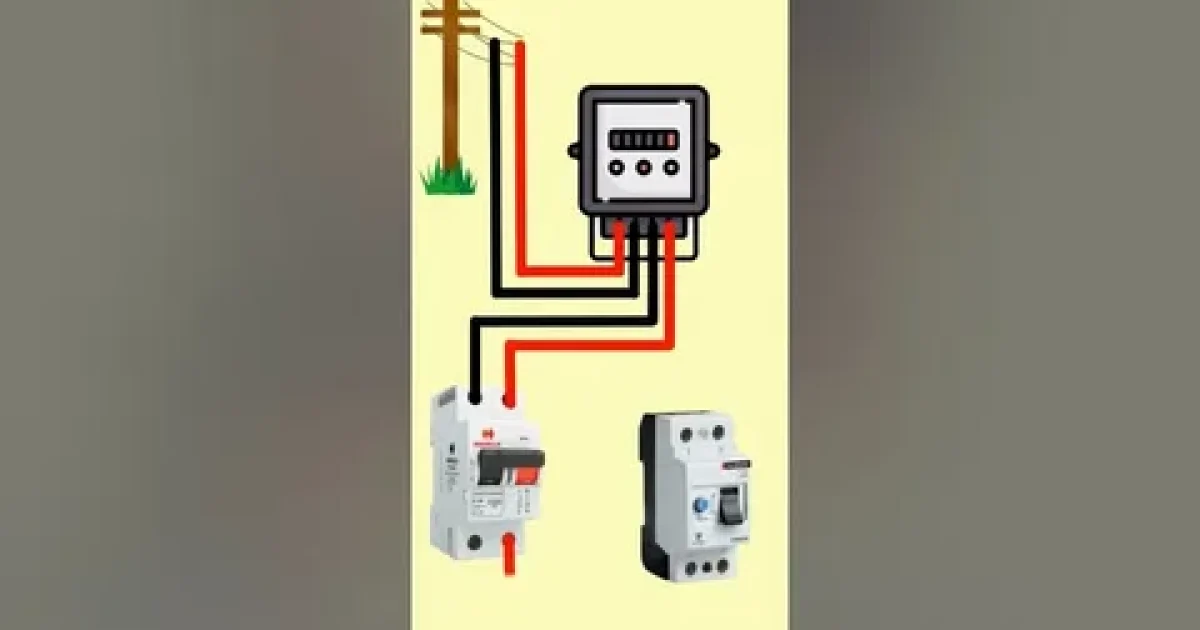
Electrical connections are the backbone of every modern home, office, and industrial setup. From lighting a simple bulb to powering complex machinery, everything depends on how well electrical components are connected. For beginners, the topic can feel overwhelming—but once you understand the basics, it becomes much easier to work safely and confidently.
This guide breaks down electrical connections in a clear, practical way. You’ll learn what they are, why they matter, the different types, and how to handle them safely without getting lost in technical jargon.
What Are Electrical Connections?
At their core, electrical connections are the points where two or more electrical conductors meet to allow current to flow. These conductors are usually wires, but they can also include terminals, connectors, or busbars.
A good connection ensures that electricity flows efficiently without interruption. A poor connection, on the other hand, can lead to overheating, power loss, or even fire hazards.
Why Electrical Connections Matter
Electrical connections are not just about joining wires—they directly impact safety and performance.
They ensure smooth flow of electricity
They prevent energy loss
They reduce the risk of short circuits
They improve the lifespan of appliances and systems
Even a small mistake in a connection can cause major issues over time, which is why understanding the basics is essential.
Basic Components Used in Electrical Connections
Before diving into connection types, it helps to know the common components involved.
Conductors (Wires)
These are the pathways through which electricity travels. Most household wiring uses copper or aluminium due to their excellent conductivity.
Insulation
Insulation covers the wires and protects users from electric shock. It also prevents wires from touching each other and causing short circuits.
Connectors and Terminals
These are devices used to join wires securely. Examples include wire nuts, terminal blocks, and crimp connectors.
Tools
Basic tools include:
- Wire strippers
- Screwdrivers
- Crimping tools
- Electrical tape
Using the right tools makes connections more reliable and safer.
Types of Electrical Connections
There are several ways to connect wires depending on the purpose, environment, and load requirements.
Series Connections
In a series connection, components are connected one after another in a single path.
Key Characteristics
The same current flows through all components
Voltage is divided among them
If one component fails, the entire circuit stops working
Common Uses
Series connections are often used in simple circuits like decorative string lights.
Parallel Connections
In a parallel connection, components are connected across the same voltage source but on separate paths.
Key Characteristics
- Each component gets the same voltage
- Failure of one component doesn’t affect others
- More stable and commonly used in homes
Common Uses
Household wiring systems rely heavily on parallel connections because they provide consistent performance.
Joint Connections (Splicing)
Splicing involves joining two wires together to extend length or repair a break.
Common Types of Splices
- Straight splice
- Western union splice
- T-joint splice
Proper splicing ensures strong mechanical support and good electrical conductivity.
Terminal Connections
Terminal connections involve attaching wires to devices like switches, outlets, or circuit breakers.
Important Tips
- Always tighten screws properly
- Avoid loose connections
- Ensure clean contact surfaces
Loose terminals are one of the most common causes of electrical faults.
Common Electrical Connection Methods
Electrical Connection Understanding how connections are physically made is just as important as knowing their types.
Twisting and Taping
This is one of the simplest methods where wires are twisted together and covered with electrical tape.
When to Use
- Temporary fixes
- Low-load applications
However, this method is not recommended for permanent installations.
Wire Nuts (Twist-On Connectors)
Wire nuts are widely used in residential wiring.
Advantages
- Easy to install
- Secure and insulated
- Suitable for multiple wires
They provide a reliable connection when used correctly.
Crimping
Electrical connection crimping involves compressing a connector onto a wire using a special tool.
Advantages
- Strong and durable
- Ideal for automotive and industrial use
- Resistant to vibration
Soldering
Soldering uses melted metal (solder) to join wires.
Benefits
- Excellent conductivity
- Long-lasting connection
- Suitable for electronics
Drawbacks
- Requires skill
- Not ideal for high-vibration environments
Safety Tips for Electrical Connections
Safety should always be your top priority when working with electricity.
Turn Off the Power
Always switch off the main power supply before working on any electrical connection. This simple step can prevent serious accidents.
Use Proper Insulation
Ensure all connections are properly insulated using electrical tape or connectors. Exposed wires can lead to shocks or short circuits.
Avoid Overloading
Do not connect too many devices to a single circuit. Overloading can cause overheating and damage.
Check for Loose Connections
Loose connections can create sparks and heat buildup. Always double-check your work.
Use Quality Materials
Cheap or low-quality materials may fail over time. Invest in reliable wires and connectors for long-term safety.
Common Mistakes Beginners Should Avoid
Learning from common mistakes can save time and prevent hazards.
Ignoring Wire Size
Using the wrong wire size can lead to overheating. Always choose the correct gauge based on the load.
Poor Insulation
Skipping insulation or doing it poorly increases the risk of electric shock.
Mixing Different Metals
Connecting copper and aluminium wires without proper connectors can cause corrosion and failure.
Over-Tightening or Under-Tightening
Both can damage the connection. Tighten just enough to secure the wire without breaking it.
How to Choose the Right Electrical Connection
Choosing the right method depends on several factors.
Consider the Application
Home wiring requires stable and safe connections. Electrical Connection
Industrial setups may need heavy-duty connectors
Think About Load Requirements
Higher loads require stronger and more secure connections.
Environmental Conditions
Outdoor connections need weatherproofing
High-temperature areas require heat-resistant materials
Ease of Maintenance
Choose connections that are easy to inspect and repair if needed.
Practical Example: Making a Simple Safe Connection
Let’s walk through a basic process to connect two wires safely.
Turn Off Power
Ensure the power source is completely off.
Strip the Wires
Remove about 1–2 cm of insulation from each wire.
Twist the Wires
Twist the exposed ends together firmly.
Secure the Connection
Use a wire nut or connector to hold them in place.
Insulate
Wrap with electrical tape if necessary.
Test the Connection
Turn the power back on and check if everything works properly.
When to Call a Professional
While basic connections can be done by beginners, some situations require expert help.
Call an electrician if:
- You’re unsure about wiring diagrams
- There’s frequent tripping of circuit breakers
- You notice burning smells or sparks
- You’re working on complex systems
Professional electricians have the training and tools to handle advanced tasks safely.
Final Thoughts
Electrical connections may seem technical at first, but understanding the fundamentals makes a big difference. Whether you’re fixing a simple wire or planning a home project, the key is to focus on safety, use the right methods, and avoid shortcuts.
By learning the basics of electrical connections, you not only improve your DIY skills but also create a safer environment for yourself and others. Take your time, follow best practices, and when in doubt, don’t hesitate to seek professional help.
Frequently Asked Questions
What is an electrical connection?
An electrical connection is a point where two or more conductors (usually wires) are joined so that electric current can flow between them. A proper connection ensures efficient performance and reduces the risk of faults.
What are the most common types of electrical connections?
The most common types include:
- Series connections
- Parallel connections
- Spliced (joint) connections
- Terminal connections
Each type is used for different purposes depending on the circuit design.
Which is better: series or parallel connection?
For most household applications, parallel connections are better because each device gets the same voltage and works independently. Series connections are simpler but less reliable for everyday use.
How can I make a safe electrical connection at home?
To make a safe connection:
- Turn off the power supply
- Strip wires properly
- Use proper connectors (like wire nuts)
- Ensure tight and secure joints
- Insulate the connection
Always double-check before restoring power.
What causes electrical connections to fail?
Common causes include:
- Loose connections
- Poor insulation
- Corrosion
- Overloading
- Using incorrect wire size
Regular inspection can help prevent these issues.
Is it safe to connect wires without connectors?
Twisting wires and covering them with tape may work temporarily, but it’s not recommended for long-term use. Proper connectors provide better safety and durability.