
Power line installation in Auckland, NZ is a specialised electrical service that requires careful planning, licensed expertise, and strict attention to safety. Whether you are building a new home, upgrading a commercial property, developing rural land, or replacing old overhead lines, the quality of your power line connection affects the safety, reliability, and long-term performance of your electrical supply.
Auckland has a wide mix of property types, from dense residential suburbs and commercial areas to lifestyle blocks and rural sites on the city fringe. Because of this, every power line installation project needs to be assessed properly before work begins. The right solution may involve overhead power lines, underground electrical cabling, a new service line, a private power pole, or an upgrade to an existing connection.
In New Zealand, electrical installation work must comply with safety requirements and relevant standards under the Electrical Safety Regulations 2010, and working near live overhead electric lines carries serious risks if not managed correctly.
Why Professional Power Line Installation Matters in Auckland
Power lines are not a simple DIY job. They carry electrical energy from the network or supply point to your property, building, shed, workshop, or commercial site. Poor installation can lead to safety hazards, outages, equipment damage, compliance issues, and expensive repairs.
A professional electrical contractor understands how to assess the site, choose suitable materials, manage clearances, coordinate with the local lines company, and complete the work according to New Zealand electrical safety rules. For new electricity connections or connection upgrades, the local lines company is responsible for connecting the property to the electricity network.
For Auckland properties, this often means planning around existing infrastructure, access limitations, neighbouring properties, trees, driveways, construction zones, and future development needs.
What Is Power Line Installation?
Power line installation is the process of setting up electrical supply lines that deliver power to a property or specific structure. This may include installing new overhead lines, underground cables, poles, service mains, connection points, or associated fittings.
Common Types of Power Line Installation
The most common power line installation services in Auckland include:
Overhead Power Line Installation
Overhead power lines are installed above ground, usually supported by poles. This option can be suitable for rural properties, lifestyle blocks, farms, and some residential sites where underground trenching is difficult or costly.
Underground Power Cable Installation
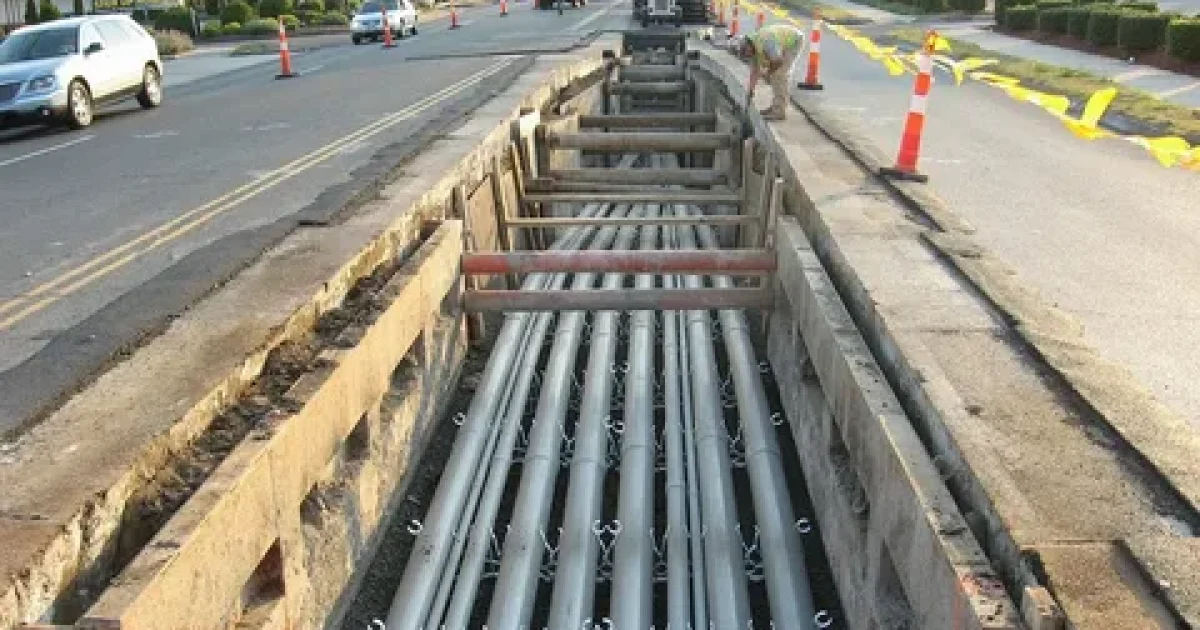
Underground cabling is often preferred for modern residential and commercial projects because it is less visible and better protected from weather, trees, and accidental contact. It usually requires trenching, ducting, cable laying, backfilling, and correct marking.
Private Power Pole Installation
A private power pole may be needed when the electrical supply must cross a property before reaching the building. This is common on larger Auckland sections, rural driveways, and properties set back from the road.
Power Line Replacement and Upgrades
Older or damaged power lines may need to be replaced to improve safety and reliability. Upgrades may also be required when adding high-demand equipment such as heat pumps, EV chargers, workshops, commercial machinery, or additional dwellings.
Local Considerations for Power Line Installation in Auckland
Auckland’s environment creates unique challenges for electrical infrastructure. Coastal air, high winds, heavy rain, mature trees, sloped sites, and dense urban layouts can all affect the best installation method.
Residential Properties
For homeowners, power line installation may be required during a new build, renovation, subdivision, garage conversion, sleepout installation, or electrical upgrade. A licensed electrician can assess the load requirements and recommend whether the existing connection is suitable or needs upgrading.
Commercial and Industrial Sites
Businesses often require a stronger and more reliable electrical supply than standard homes. Shops, warehouses, factories, offices, workshops, hospitality venues, and construction sites may need upgraded lines, temporary builders’ supply, or a dedicated connection plan.
Rural and Lifestyle Properties
Auckland’s rural edges often require longer cable runs, private poles, or custom underground solutions. These projects need careful planning because distance, terrain, access, and future maintenance can affect both cost and performance.
Safety Comes First When Working Near Power Lines
Electrical safety is the most important part of any power line project. WorkSafe New Zealand warns that work near live low-voltage overhead electric lines carries a risk of electric shock, and touching a live overhead line with the body, tools, or equipment can cause death or serious injury, even if the line appears insulated.
Why You Should Never Attempt Power Line Work Yourself
Power line work requires proper training, equipment, and authorisation. Mistakes can be fatal. Even activities such as roofing, tree trimming, scaffolding, excavation, and operating machinery near power lines must be planned with safety in mind.
Safe Work Planning
A professional contractor will consider:
Minimum Approach Distances
Safe distances must be maintained around live electrical lines. WorkSafe guidance refers to minimum approach distances for workers, temporary structures, and mobile plant when working near live low-voltage overhead lines.
Temporary Isolation
Where possible, isolating the electricity supply is the safest option before work takes place near overhead electric lines.
Site Risk Assessment
The contractor should assess trees, structures, scaffolding, vehicles, excavation areas, weather conditions, and public access before starting the job.
The Power Line Installation Process
A well-managed power line installation follows a clear process from the first inspection to final testing.
1. Site Inspection and Consultation
The first step is to inspect the property and understand your needs. This includes checking the distance from the supply point, existing poles or cables, load requirements, property layout, and future usage.
2. Electrical Load Assessment
The electrician will assess how much power your property needs. A small residential connection will have different requirements from a commercial workshop, rental development, or rural property with pumps, sheds, and machinery.
3. Choosing Overhead or Underground Installation
The best option depends on your budget, property layout, safety requirements, aesthetics, access, and long-term maintenance needs.
4. Network and Connection Requirements
For a new connection or upgrade, your project may need to involve the local lines company. Vector notes that a simple electricity connection supply point may be completed after assessment where it requires a quote but not an easement, with an estimated timeframe of around 6–8 weeks.
5. Installation Work
Once approvals, planning, and materials are ready, the physical installation can begin. This may include trenching, pole installation, cable pulling, overhead line setup, connection work, and protective equipment installation.
6. Testing and Compliance
After installation, the system must be tested to confirm it is safe and functioning correctly. Proper documentation may also be required for compliance and future reference.
Overhead vs Underground Power Lines in Auckland
Choosing between overhead and underground power line installation is one of the most important decisions in your project.
Benefits of Overhead Power Lines
Overhead lines are often easier to inspect and can be more cost-effective in some situations. They may be suitable for rural properties, long-distance runs, and sites where excavation is difficult.
Benefits of Underground Power Cables
Underground power cable installation offers a cleaner appearance and keeps electrical lines protected from wind, falling branches, and visual clutter. It is often preferred for new homes, subdivisions, commercial sites, and modern Auckland developments.
Which Option Is Better?
There is no one-size-fits-all answer. An experienced Auckland electrical contractor can inspect your site and recommend the safest and most practical solution.
Signs You May Need Power Line Replacement or Upgrade
You may need to replace or upgrade your power line if you notice issues such as flickering lights, frequent power interruptions, visible line damage, leaning poles, outdated wiring, or increased power demand.
Common Reasons for Upgrades
Renovations and Extensions
Adding rooms, kitchens, workshops, or rental units can increase electricity demand.
EV Charger Installation
Electric vehicle chargers can place extra load on your electrical system and may require supply upgrades.
Commercial Equipment
Machinery, refrigeration, lighting, pumps, and HVAC systems may require a stronger power supply.
Old or Damaged Infrastructure
Aging power lines, weather damage, corrosion, and pole deterioration should be assessed by a professional.
Cost Factors for Power Line Installation in Auckland
The cost of power line installation in Auckland depends on several factors. A simple short connection will usually cost less than a complex rural or commercial installation.
Key Cost Factors
Distance from Supply Point
Longer cable or line runs require more materials, labour, and planning.
Overhead or Underground Method
Underground installation may involve trenching, ducting, reinstatement, and additional site work.
Site Access
Difficult access, steep driveways, trees, existing structures, or tight urban sites can increase complexity.
Power Demand
Higher-capacity connections may require upgraded equipment and additional approvals.
Network Requirements
Some projects require coordination with the local lines company, which can affect timeframes and costs.
Choosing the Right Auckland Power Line Installer
The right contractor should be experienced, licensed, safety-focused, and familiar with local Auckland conditions.
What to Look For
Choose an electrical contractor who offers clear communication, transparent pricing, proper planning, and knowledge of New Zealand electrical standards. They should also be able to explain the process in plain language and help you understand your options.
Questions to Ask Before Hiring
Are You Licensed and Qualified?
Electrical work in New Zealand must be completed by properly qualified professionals. Always check credentials before approving any work.
Do You Handle Overhead and Underground Installations?
A contractor with both skill sets can recommend the best solution rather than pushing one option.
Can You Coordinate with the Lines Company?
For new connections and upgrades, coordination with the network provider may be required.
Do You Provide Testing and Compliance Documentation?
Testing and documentation are important for safety, insurance, and future property work.
Power Line Installation for New Builds and Subdivisions
New builds and subdivisions in Auckland often require early electrical planning. The power supply route should be considered before driveways, landscaping, retaining walls, drainage, and buildings are completed.
Why Early Planning Saves Money
Planning the electrical connection early can help avoid rework, delays, and unnecessary excavation. It also allows your builder, electrician, and network provider to coordinate more efficiently.
Future-Proofing Your Property
A smart installation should consider future needs such as EV charging, solar power, additional buildings, security systems, outdoor lighting, and higher electrical demand.
Reliable Electrical Services for Auckland Homes and Businesses
Safe and reliable power line installation gives your property a strong electrical foundation. Whether you need a new connection, line upgrade, private power pole, underground cable, or replacement service line, professional support helps ensure the job is completed correctly from start to finish.
Auckland property owners should never compromise on electrical safety. Working with an experienced local contractor reduces risk, improves reliability, and helps your property meet the standards expected in New Zealand.
Conclusion
Power line installation in Auckland, NZ requires more than running a cable or installing a pole. It involves safety planning, compliance, site assessment, network coordination, and skilled electrical work. From residential homes and commercial buildings to rural properties and new developments, every project needs a tailored approach.
FAQs
What is power line installation?
Power line installation is the process of setting up electrical lines, cables, poles, or service connections that deliver electricity to a home, business, rural property, or new development. It may include overhead power lines, underground power cables, private poles, or connection upgrades.
Do I need a licensed electrician for power line installation in Auckland?
Yes. Power line installation should always be handled by qualified and licensed electrical professionals. It involves high-risk electrical work, compliance requirements, and coordination with the local network provider where needed.
Is underground power cable installation better than overhead power lines?
Underground power cable installation is often preferred for its clean appearance and protection from wind, trees, and weather. Overhead power lines can be more practical for rural properties, long driveways, or sites where trenching is difficult. The best option depends on your property layout, budget, and electrical needs.
How long does power line installation take in Auckland?
The timeframe depends on the project size, site access, approval requirements, materials, and whether network connection work is needed. A simple installation may be faster, while new connections, subdivisions, or rural power line projects may take longer due to planning and coordination.
How much does power line installation cost in Auckland?
The cost varies based on distance from the supply point, overhead or underground installation, trenching needs, pole requirements, cable size, site conditions, and connection complexity. A site inspection is usually needed to provide an accurate quote.