
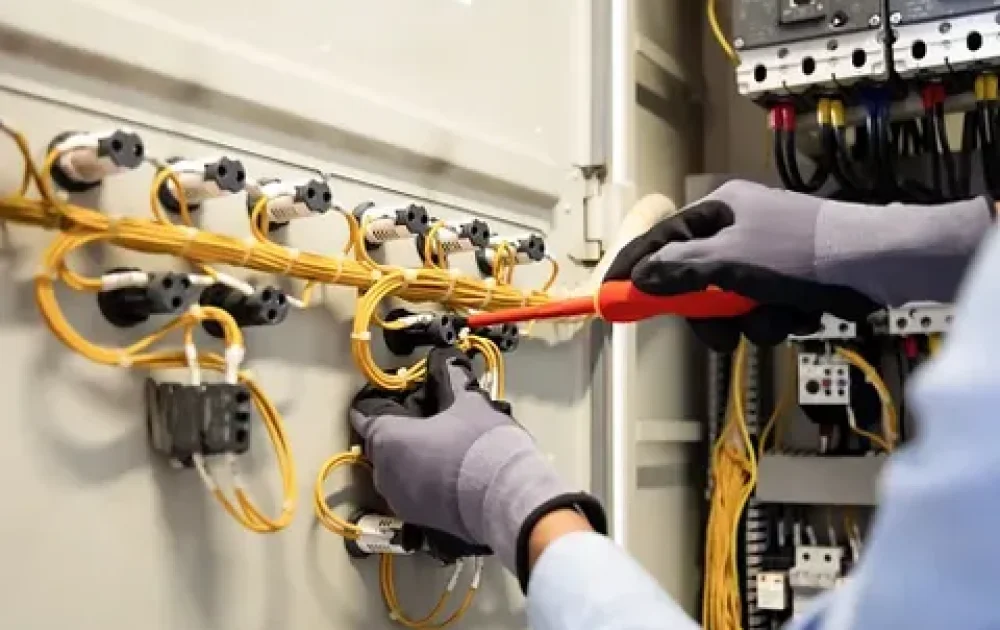
Electrical connections form the backbone of every home, office, and industrial setup. Whether it’s powering appliances, lighting a room, or running complex machinery, the quality of electrical connections directly impacts safety, efficiency, and reliability. Understanding how to create and maintain strong connections is essential for both professionals and DIY enthusiasts.
This guide will take you through everything you need to know—from basic concepts to advanced tips—so your electrical system works flawlessly and safely.
Why Electrical Connections Matter
Electrical connections are not just about joining wires. They are critical points where electricity flows, and any weak connection can cause:
Power loss: Poor connections increase resistance, leading to energy inefficiency.
Heat buildup: Resistance generates heat, which can damage insulation or even start fires.
Equipment failure: Electronics and appliances can malfunction if connections are unstable.
Safety hazards: Loose or corroded connections are a leading cause of electric shocks and fires.
A reliable connection ensures that electricity flows efficiently, reduces energy wastage, and minimises risks.
Types of Electrical Connections
Understanding the different types of connections is the first step toward safe and efficient wiring. Here are the most common types:
Screw Terminal Connections
Screw terminals are widely used in home and industrial wiring. A wire is inserted under a screw and tightened to create a secure contact.
Pros: Durable and reliable if tightened properly.
Cons: Over-tightening can damage wires; under-tightening can cause arcing.
Crimped Connections
Crimping involves using a metal sleeve (crimp) to compress and hold wires together. A crimping tool ensures a strong bond.
Pros: Excellent for high-vibration environments; fast installation.
Cons: Requires proper tools and technique; poor crimping can lead to failure.
Twist-On Wire Connectors (Wire Nuts)
These are common in residential wiring for joining multiple wires in a junction box. The wires are twisted together, and a plastic cap is screwed over them.
Pros: Easy to use; no special tools required.
Cons: Can loosen over time; not suitable for very heavy-duty wiring.
Soldered Connections
Soldering involves melting a metal alloy to fuse wires together. It provides a permanent and low-resistance connection.
Pros: Very reliable; low resistance.
Cons: Requires skill and proper equipment; not ideal for flexible wires in motion.
Push-In or Spring Clamp Connections
Modern electrical panels and smart devices often use push-in connections, where the wire is inserted into a spring clamp.
Pros: Quick installation; good for modular systems.
Cons: Can be less forgiving if the wire is not stripped correctly.
Best Practices for Safe Electrical Connections
Creating strong electrical connections is both an art and a science. Here are some proven practices:
Use the Right Tools
Using screwdrivers, crimping tools, wire strippers, and multimeters ensures precise and secure connections. Avoid makeshift tools.
Choose the Correct Wire Gauge
Always match wire thickness to the load it will carry. Undersized wires can overheat, while oversized wires can be hard to connect.
Keep Connections Clean
Corrosion and dirt reduce conductivity. Clean metal surfaces before connecting, especially in outdoor or humid environments.
Avoid Over-Tightening
Excessive force on screws or clamps can damage wire strands. Tighten just enough for a solid connection.
Check Insulation
Ensure no bare wires are exposed outside connectors. Exposed wires increase the risk of short circuits and shocks.
Label and Organize Wires
Labeling ensures easier troubleshooting and maintenance. Using colour-coded wires can prevent mistakes.
Common Mistakes and How to Avoid Them
Even experienced electricians can make mistakes that compromise wiring safety. Here are some pitfalls to watch out for:
Loose Connections: Leads to sparking and heat buildup. Double-check torque on screws and crimps.
Using Wrong Connectors: Always match connectors to wire gauge and type.
Overcrowding Junction Boxes: Too many wires in a small box can cause damage and make connections unstable.
Ignoring Corrosion: Outdoor or humid installations require corrosion-resistant connectors.
Avoiding these mistakes increases reliability and prolongs the lifespan of your electrical system.
Tools and Materials for Reliable Connections
Having the right tools and materials makes all the difference. Key items include:
Wire strippers and cutters
Crimping tools
Screwdrivers with insulated handles
Electrical tape or heat shrink tubing
Multimeter for testing continuity
Wire connectors, nuts, and terminals appropriate for the application
High-quality materials and proper tools reduce failure rates and improve efficiency.
Testing and Maintenance of Electrical Connections
Even a perfectly made power connection can degrade over time. Regular inspection and testing are essential:
Visual Inspection
Check for corrosion, discoloration, or loose wires. Look for signs of overheating, like melted insulation.
Continuity Testing
Use a multimeter to verify uninterrupted flow of electricity through the connection.
Tightness Checks
Periodic re-tightening of screws and clamps in high-vibration environments keeps connections secure.
Environmental Protection
For outdoor connections, use weatherproof junction boxes and corrosion-resistant materials.
Advanced Tips for Efficiency and Longevity
Use Ferrules on Stranded Wires: They prevent wire strands from fraying and improve connection stability.
Minimize Connection Points: Fewer joints mean lower resistance and fewer failure points.
Consider Modular Connectors: For industrial setups, modular connectors simplify maintenance and upgrades.
Temperature Management: Ensure wiring is rated for the environment; overheating accelerates deterioration.
Safety First: Avoiding Electrical Hazards
Safety is non-negotiable when dealing with electricity. Always follow these guidelines:
Turn off power before working on circuits.
Wear insulated gloves and safety glasses.
Avoid water or damp conditions while connecting wires.
Never bypass grounding or safety devices.
Consult professionals for high-voltage or complex systems.
Conclusion
Reliable electrical connections are essential for safety, efficiency, and the longevity of your electrical system. By understanding connection types, following best practices, avoiding common mistakes, and maintaining proper testing routines, you can ensure your wiring performs optimally.
Frequently Asked Questions
1. What are electrical connections?
Electrical connections are points where two or more electrical conductors meet to allow electricity to flow safely and efficiently. They are essential for powering devices and ensuring reliable circuit performance.
2. Why are electrical connections important?
Good connections reduce energy loss, prevent overheating, protect equipment, and minimize fire and shock hazards. Poor connections are a leading cause of electrical failures and accidents.
3. What are the common types of electrical connections?
The most common types include:
- Screw terminal connections
- Crimped connections
- Twist-on wire connectors (wire nuts)
- Soldered connections
- Push-in or spring clamp connections
4. How can I make electrical connections safe?
- Turn off power before starting work.
- Use the correct tools and connectors.
- Ensure wires are clean and properly stripped.
- Avoid over-tightening screws and clamps.
- Check insulation and protect exposed wires.
5. What tools do I need for electrical connections?
Essential tools include wire strippers, crimping tools, screwdrivers with insulated handles, a multimeter, and appropriate connectors. High-quality tools improve connection reliability.