
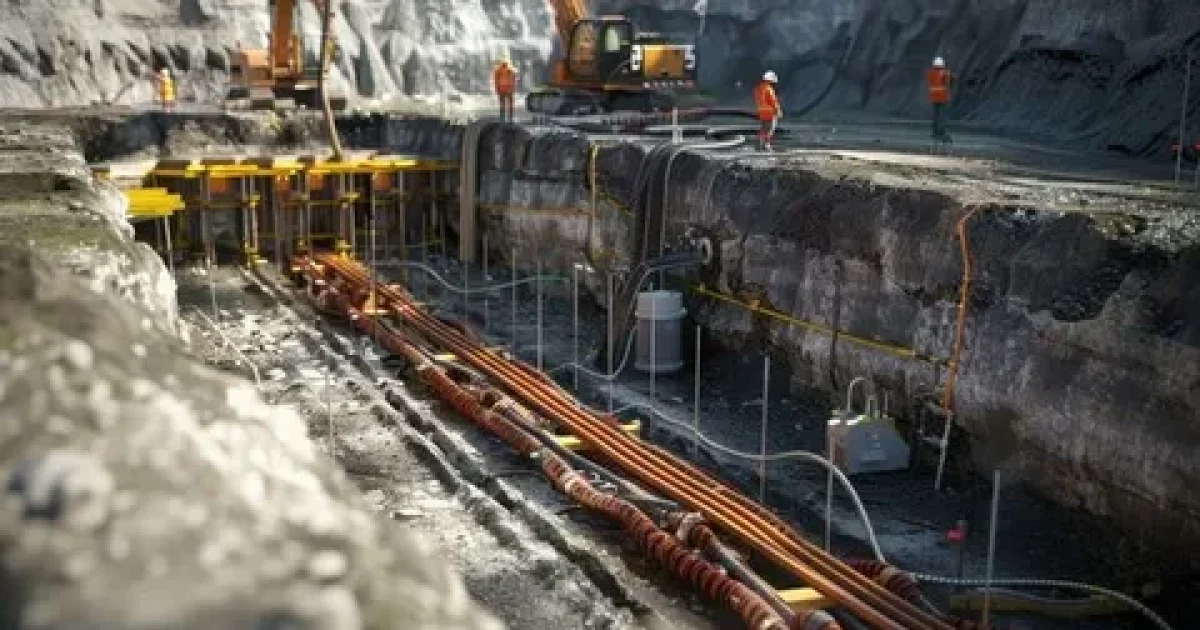
Underground power installation in Auckland is becoming a popular choice for homeowners, builders, developers, and commercial property owners who want a safer, cleaner, and more reliable electrical supply. Whether you are building a new home, upgrading an existing connection, replacing overhead lines, or preparing a site for future development, underground power can offer long-term value and a better-looking property.
Overhead power lines have been used for decades, but they can be exposed to weather, falling branches, vehicle damage, and visual clutter. Underground cabling helps reduce these risks by placing the electrical supply safely below ground. For many Auckland properties, this is not only a practical upgrade but also an investment in safety, appearance, and future-ready infrastructure.
A professional underground power installation Auckland service ensures the work is completed correctly, safely, and in line with local requirements. From planning and trenching to cable laying, connection, testing, and reinstatement, every stage needs experienced handling.
What Is Underground Power Installation?
Underground power installation is the process of installing electrical cables beneath the ground instead of running them overhead from poles. These underground cables carry electricity from the network supply point to a home, building, subdivision, or commercial site.
How Underground Power Works
The process usually involves careful site assessment, service location, trenching, conduit installation, cable placement, backfilling, testing, and final connection. Depending on the project, it may also include switchboards, meter boxes, pillars, ducts, and coordination with the local electricity network provider.
For residential properties, underground power installation in Auckland may be needed for a new build, a major renovation, a driveway relocation, or an overhead to underground power conversion. For commercial and industrial sites, it may involve higher-capacity power supply, multiple service routes, or future expansion planning.
Underground Power vs Overhead Power
Overhead power lines are easier to see and access, but they are also more exposed. Underground power cables are protected below the surface, which can reduce the chance of damage from storms, branches, and accidental contact. While underground installation can cost more upfront, many property owners choose it for the long-term benefits.
Why Choose Underground Power Installation in Auckland?
Auckland’s mix of urban homes, coastal areas, lifestyle blocks, subdivisions, and commercial developments creates different electrical needs. Underground power installation Auckland services are often chosen because they provide a neat, durable, and modern solution.
Improved Safety
One of the biggest benefits of underground power is safety. Overhead lines can create risks around trees, ladders, vehicles, scaffolding, and construction equipment. By moving power below ground, these risks are reduced.
Underground electrical services also help protect cables from strong winds and falling debris. This is especially useful in areas where trees, storms, or coastal weather can affect overhead infrastructure.
Better Street and Property Appearance
Power poles and overhead wires can affect the look of a property. Underground cabling creates a cleaner appearance by removing visible lines from the property frontage or driveway. This can improve street appeal and make outdoor spaces feel more open.
For new homes, architecturally designed properties, and subdivisions, underground power installation in Auckland can help create a more modern and high-quality finish.
More Reliable Power Supply
No electrical system is completely risk-free, but underground power cables are less exposed to weather-related damage than overhead lines. When installed correctly, underground power can provide a reliable supply for homes and businesses.
For businesses, reliability matters because power interruptions can affect security systems, lighting, machinery, refrigeration, technology, and daily operations. A well-planned underground power cable installation can support long-term performance.
Suitable for New Builds and Renovations
If you are building a new home or renovating an existing property, it is often the best time to install underground power. Trenching can be planned alongside other site works, helping reduce disruption and improve efficiency.
Auckland builders and property owners often include underground power cabling as part of site preparation, driveway construction, landscaping, or service upgrades.
Common Reasons for Underground Power Installation
Underground power is used for many different project types across Auckland. Some projects are simple residential connections, while others require detailed planning and coordination.
New Home Power Connections
New builds often need a new electrical supply from the network connection point to the house. Underground power installation Auckland contractors can install the required cable route, ducts, and connection infrastructure.
This helps ensure the property has a safe and compliant power supply before final electrical fit-out and occupation.
Overhead to Underground Power Conversion
Many older Auckland homes still have overhead service lines. Property owners may choose overhead to underground power conversion to improve safety, remove visual clutter, or make room for renovations, extensions, or new driveways.
This type of work requires careful planning because the existing supply must be disconnected, replaced, tested, and reconnected correctly.
Subdivision and Development Projects
Subdivisions often require underground utility installation for multiple lots. This can include power, communications, water, and other services. Underground power installation must be designed to suit the site layout, future load requirements, access points, and network standards.
A skilled contractor can coordinate trenching and service installation to reduce delays and avoid costly rework.
Commercial and Industrial Sites
Commercial properties may need underground power for new buildings, workshops, warehouses, retail spaces, offices, or site upgrades. These projects often require higher capacity, more detailed design, and strict safety planning.
Professional Auckland electrical contractors can help ensure the underground electrical system supports the business now and in the future.
The Underground Power Installation Process
Every project is different, but most underground power installation Auckland projects follow a clear step-by-step process.
1. Site Assessment
The first step is to inspect the property and understand the project requirements. This includes looking at the existing power supply, proposed cable route, ground conditions, access, nearby services, and future electrical needs.
A good site assessment helps identify potential issues before work begins.
2. Planning and Design
Once the site is assessed, the contractor plans the cable route and installation method. This may include trench depth, conduit size, cable type, switchboard location, meter position, and connection requirements.
For larger projects, electrical design and network approval may be required before physical work starts.
3. Locating Existing Underground Services
Before excavation begins, existing underground services must be identified. These can include water pipes, stormwater, wastewater, gas, fibre, telecommunications, and existing electrical cables.
This step is essential because accidental damage can be dangerous, expensive, and disruptive.
4. Trenching and Excavation
After planning and service location, trenching begins. The trench must be suitable for the cable route and installation requirements. In some cases, directional drilling may be used instead of open trenching, especially where driveways, paths, or landscaped areas need to be protected.
5. Conduit and Cable Installation
The electrical cable is usually installed inside protective conduit. This helps protect the cable and makes future maintenance or upgrades easier. Warning tape, bedding material, and correct backfill may also be used depending on project requirements.
6. Testing and Connection
After the cable is installed, it must be tested before being connected. Testing helps confirm the cable is safe, correctly installed, and ready for use. The final connection may require coordination with the electricity network provider and the property’s electricity retailer.
7. Backfilling and Reinstatement
Once the system is installed and approved, the trench is backfilled and the surface is reinstated. This may include soil, grass, concrete, asphalt, paving, or driveway repair.
Good reinstatement is important because it leaves the property tidy and safe after the work is complete.
Safety and Compliance Matter
Underground power installation is not a DIY job. It involves electricity, excavation, underground services, and local requirements. Mistakes can lead to electric shock, cable damage, fire risk, failed inspections, or costly repairs.
Working Near Roads, Footpaths, and Berms
In Auckland, work that affects the road corridor, footpath, or berm may require approval before excavation starts. This is why it is important to use a contractor who understands local processes and can help manage permits where needed.
Excavation Safety
Excavation must be handled carefully. Trenches can collapse, underground services can be damaged, and machinery can create hazards. Professional contractors use safe digging methods, service plans, locating equipment, and site controls to reduce risk.
Licensed Electrical Work
Electrical connections and related work should be completed by qualified professionals. This helps protect the property owner and ensures the installation is suitable for long-term use.
How Much Does Underground Power Installation Cost in Auckland?
The cost of underground power installation in Auckland depends on several factors. There is no single fixed price because every site is different.
Key Cost Factors
Costs may be affected by the distance from the supply point to the building, trench length, ground conditions, cable size, site access, permit needs, reinstatement work, and whether the project is a new connection or an overhead to underground conversion.
A simple residential cable route may cost less than a complex commercial installation or a long rural driveway connection. Hard surfaces such as concrete, asphalt, or paving can also increase costs because they need cutting, removal, and reinstatement.
Why the Cheapest Quote Is Not Always Best
It can be tempting to choose the lowest quote, but underground electrical work must be done properly. Poor planning or low-quality installation can lead to future faults, water ingress, damaged cables, compliance issues, and extra repair costs.
A reliable contractor should provide a clear scope, explain the process, and identify possible additional costs before work begins.
Choosing the Right Underground Power Contractor
The right contractor can make the difference between a smooth project and a stressful one. When choosing an underground power installation Auckland specialist, look for experience, safety systems, local knowledge, and strong communication.
What to Look For
Choose a contractor who understands underground electrical services, excavation, trenching, cabling, and Auckland site conditions. They should be able to coordinate with builders, electricians, network providers, and other trades when required.
Questions to Ask Before Hiring
Are you experienced with underground power installation in Auckland?
Local experience matters because Auckland properties can vary widely, from tight urban sites to coastal sections and larger lifestyle blocks.
Can you manage trenching and reinstatement?
A contractor who can handle both electrical installation and civil work may help simplify the project.
Do you identify underground services before digging?
Service location is essential for safe excavation and avoiding damage.
Will the work meet relevant safety and compliance requirements?
Professional installation should always focus on safety, testing, and correct completion.
Benefits for Auckland Homeowners
For homeowners, underground power offers practical and visual benefits. It can improve the appearance of the property, reduce overhead line hazards, and support renovations or landscaping.
If you are upgrading your driveway, building a garage, adding a minor dwelling, or renovating the front of your home, underground power installation in Auckland can be a smart part of the overall project.
It can also make sense when removing old overhead lines that cross outdoor living areas, gardens, or accessways.
Benefits for Developers and Builders
For builders and developers, underground power is often part of creating a modern and market-ready site. Buyers expect safe, reliable, and visually tidy services. Underground cabling can help increase the appeal of new homes and subdivisions.
Good planning also helps avoid delays. When power installation is coordinated early, it can reduce conflicts with drainage, water, fibre, landscaping, and driveway construction.
Maintenance and Long-Term Reliability
Underground power cables generally require little maintenance once installed correctly. However, property owners should keep records of cable routes and avoid digging near underground services without checking first.
If future landscaping, fencing, drainage, or driveway work is planned, cable location should be confirmed before excavation. This helps prevent accidental damage and keeps the electrical supply safe.
Conclusion
Underground power installation in Auckland is a smart choice for property owners who want a safer, cleaner, and more reliable electrical supply. Whether you are building a new home, upgrading an old connection, converting overhead lines, or preparing a commercial site, underground cabling can add long-term value.
The key to a successful project is proper planning, safe excavation, quality materials, and professional installation. By working with experienced Auckland electrical contractors, you can ensure your underground power system is installed correctly and built to support your property for years to come.
Frequently Asked Questions
Is underground power better than overhead power?
Underground power is often preferred for safety, appearance, and protection from weather exposure. However, the best option depends on your property, budget, and connection requirements.
Can I convert overhead power to underground power?
Yes, many Auckland properties can convert overhead service lines to underground power. The process usually requires planning, excavation, electrical work, and coordination for disconnection and reconnection.
How long does underground power installation take?
The timeframe depends on the project size, site conditions, approvals, trenching requirements, and connection process. Small residential jobs may be quicker, while subdivisions and commercial projects can take longer.