
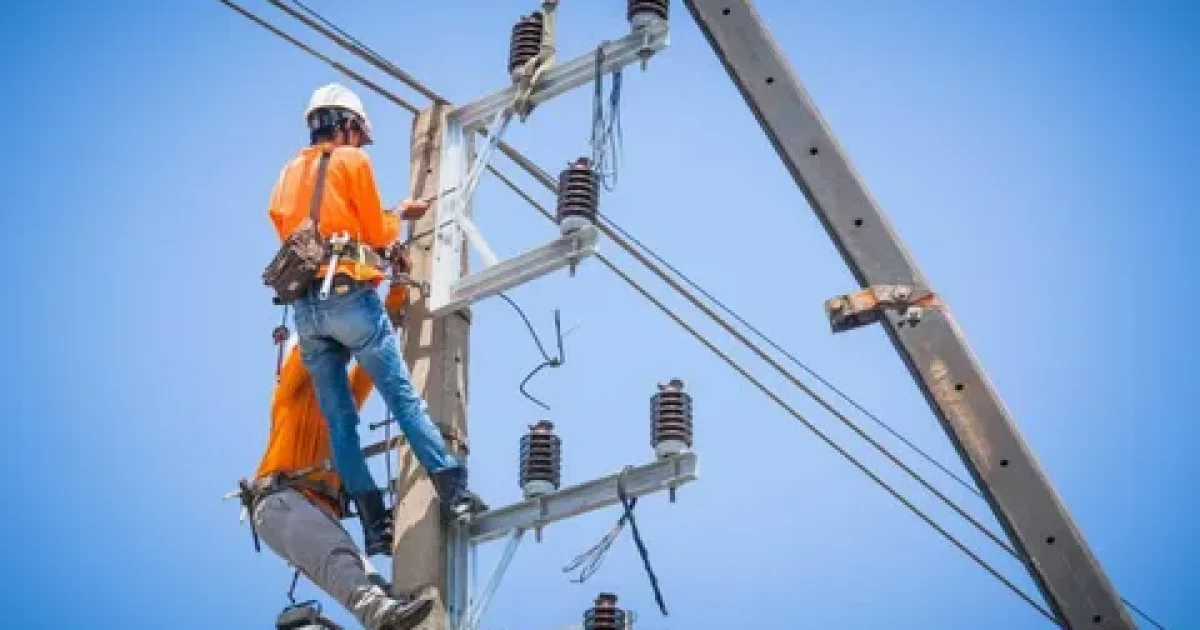
Reliable electricity infrastructure is essential for homes, businesses, construction projects, subdivisions, and commercial developments across Auckland. From new power connections to overhead line work and electrical network projects, choosing an experienced powerline contractor in Auckland can make a significant difference to safety, project coordination, and long-term reliability.
Powerline work involves more than installing cables. It can require detailed planning, site assessment, electrical design, network coordination, equipment installation, testing and compliance with applicable requirements.
This guide explains what a powerline contractor does, when you may need one, and what to consider when planning an electricity line project in Auckland.
What Is a Powerline Contractor?
A powerline contractor is a specialist electrical contractor involved in the construction, installation, maintenance or modification of electricity network infrastructure.
Depending on the project, powerline services may include:
- Overhead powerline installation
- Underground electricity cable installation
- New power connections
- Service line installation
- Electricity network upgrades
- Pole and electrical equipment installation
- Temporary construction power
- Commercial electrical connections
- Subdivision power infrastructure
- Network maintenance and repair
- Cable route and site planning
- Testing and commissioning
The exact scope depends on the property, electrical capacity, network requirements and whether the work involves private electrical infrastructure or the electricity distribution network.
Why Choose a Specialist Powerline Contractor?
Electricity line projects require careful planning because electrical infrastructure can involve significant safety, technical and access considerations.
An experienced contractor can help coordinate the practical side of the project and identify potential issues before work begins.
A specialist powerline contractor can assist with:
Safety
Working around electrical networks requires appropriate safety procedures, equipment and competent personnel. Electricity infrastructure should never be treated as ordinary construction work.
Technical Planning
The contractor needs to understand the project’s electrical requirements, proposed cable routes, connection arrangements and site conditions.
Project Coordination
Powerline work can interact with builders, developers, civil contractors, electricians, network companies and other service providers. Good coordination can help keep the project moving.
Installation Quality
Correct installation of electrical infrastructure is important for reliable operation and future maintenance.
Powerline Services for Auckland Projects
Different types of Auckland projects may require specialist powerline services.
New Residential Developments
New homes and subdivisions often require electricity infrastructure to be planned before construction is complete.
For a new connection, the electrical requirements may include the number of properties, required capacity, connection arrangement and service-line design.
Auckland’s electricity network provider notes that new connections can vary depending on available network capacity, the number and type of connections, fuse and phase requirements, site conditions and other factors.
Commercial Buildings
Commercial properties can have substantially higher electricity requirements than standard residential properties.
Offices, retail premises, warehouses, workshops and other commercial sites may require a carefully planned connection and potentially an upgrade to existing electrical capacity.
Construction Sites
Construction projects may need temporary electricity supplies before the permanent connection is ready.
Temporary builders’ supplies can provide power for construction equipment, site facilities and other temporary requirements. Auckland’s network provider specifically identifies builders’ temporary supply as one of its connection types.
Subdivisions
Large subdivisions can require electrical infrastructure for multiple lots.
Planning power infrastructure early can help coordinate electricity works with roads, drainage, telecommunications, civil works and the overall construction programme.
Overhead vs Underground Powerlines
Depending on the project and network requirements, electricity infrastructure may involve overhead lines or underground cables.
Overhead Powerlines
Overhead electricity infrastructure can involve poles, conductors, transformers and associated equipment.
Advantages can include easier visual access to some network infrastructure and potentially simpler access for certain maintenance activities.
However, overhead lines require appropriate clearances and consideration of trees, buildings, vehicles and other structures.
Underground Electricity Cables
Underground cables can provide a cleaner visual appearance and are commonly used in new developments.
They can, however, require trenching, excavation, pits, cable protection and coordination with other underground utilities.
Auckland’s network requirements should be checked for the specific project because connection arrangements and installation responsibilities can vary. Vector states that new low-voltage connections in its Auckland network are generally underground connections.
What Does a Powerline Contractor Do on a New Connection?
A typical project may involve several stages.
Site Assessment
The contractor reviews the site, existing electrical infrastructure, proposed building or development plans and access conditions.
Determine Electrical Requirements
The required phase, fuse size, load and connection type need to be established.
For Auckland connections, the network provider advises customers to consult their electrician regarding phase and fuse requirements.
Connection Planning
The proposed connection point, cable route and installation requirements are considered.
For larger projects, additional network capacity or infrastructure may be required.
Electrical and Civil Works
Depending on the project, works may include trenching, cable installation, pits, poles, equipment installation and traffic management.
Some Auckland electricity connections may require civil work or traffic management, with the option in certain circumstances to arrange appropriately qualified providers directly.
Testing and Inspection
Electrical infrastructure needs to be tested and checked before it is placed into service.
Connection and Commissioning
Once the required work has been completed and the connection is ready, the relevant network and electrical parties can complete the final connection or livening process.
For Auckland connections, the private service line between the network point of supply and the property’s meter is generally the property owner’s responsibility, while the network provider handles its own network equipment and connection processes.
When Do You Need a Powerline Contractor?
You may need a specialist powerline contractor if you are:
- Building a new property
- Developing a subdivision
- Constructing a commercial building
- Upgrading an existing electricity supply
- Installing temporary construction power
- Extending electricity infrastructure
- Installing underground power cables
- Working on a project involving overhead lines
- Planning a large electrical connection
- Developing infrastructure that requires additional network capacity
If your project requires changes to the electricity distribution network, it is important to establish the network provider’s requirements before electrical work begins.
Powerline Contractor vs General Electrician
A general electrician and a powerline contractor can have different roles.
An electrician may focus on a property’s electrical installation, including switchboards, wiring, lighting, appliances and other electrical systems.
A powerline contractor may specialise in infrastructure connecting properties or projects to an electricity network, including network-side work where authorised and required.
For some projects, both professionals may be involved.
For example, a new commercial development could require:
Network planning → Powerline infrastructure → Service connection → Main switchboard → Building electrical installation
Clear communication between the different contractors can help prevent delays and design conflicts.
What Can Affect Powerline Project Costs?
There is no standard price for every powerline project.
The final cost can depend on:
- Required electrical capacity
- Distance to the connection point
- Existing network infrastructure
- Underground or overhead installation
- Number of properties or connections
- Civil construction requirements
- Trenching and reinstatement
- Traffic management
- Poles, cables and electrical equipment
- Network upgrades
- Engineering and design
- Site access
- Testing and commissioning
- Project complexity
For Auckland electricity connections, the network provider states that costs and timeframes can vary according to factors such as available capacity, connection type, number of connections, site conditions and technical or regulatory requirements.
How to Choose a Powerline Contractor in Auckland
Before hiring a contractor, consider more than the quoted price.
Relevant Experience
Ask whether the contractor has completed projects similar to yours.
A residential connection, subdivision and large commercial development can have very different requirements.
Safety Focus
Electrical network work must be approached with appropriate safety procedures and competent personnel.
Technical Capability
Make sure the contractor understands the technical requirements of the proposed connection and can work with the relevant electrical professionals and network provider.
Project Coordination
Ask who will manage communication between the contractor, electrician, civil team, developer and network company.
Clear Scope of Work
A good quotation should clearly explain what is included and identify any work that may be outside the initial scope.
Planning Your Auckland Powerline Project
The earlier you consider electricity infrastructure, the easier it can be to identify potential issues.
Before starting, gather:
- Site address
- Site plan
- Building or development plans
- Expected electrical load
- Number of connections
- Construction programme
- Existing electricity information
- Proposed cable route
- Details of major electrical equipment
- Contact details for your electrician and other project contractors
For more complex projects, an early capacity assessment can be useful. Auckland’s network provider offers capacity checks to determine existing phase and fuse information and to investigate spare network capacity.
Final Thoughts
A reliable power connection is an essential part of any Auckland construction or development project. Whether you need a new connection, underground cable installation, temporary construction power, subdivision infrastructure or an electricity network upgrade, specialist planning can help reduce avoidable delays and improve project coordination.
When searching for a powerline contractor in Auckland, look for relevant project experience, strong safety practices, technical capability and clear communication with electricians, developers, civil contractors and the electricity network provider.
The right contractor can help turn a complicated power infrastructure project into a clearly planned and professionally managed part of your development.
Frequently Asked Questions
What does a powerline contractor do?
A powerline contractor specialises in electricity infrastructure such as powerline installation, underground cables, new connections, network upgrades and related electrical works.
Do I need a powerline contractor for a new house?
It depends on the connection arrangement and project requirements. Your electrician can help determine what work is needed and whether specialist powerline services are required.
Can a powerline contractor work on underground cables?
Yes. Underground electricity projects can involve cable installation, trenching, pits, protection systems and coordination with other underground utilities.
Can powerline contractors work on commercial projects?
Yes. Commercial developments may require specialist electricity infrastructure, particularly where higher electrical capacity or network upgrades are involved.
How early should I contact a powerline contractor?
It is generally better to involve the relevant electrical professionals early in the project planning stage. Auckland’s network provider also recommends applying for new connections as early as possible because the process can vary depending on project and network conditions.