
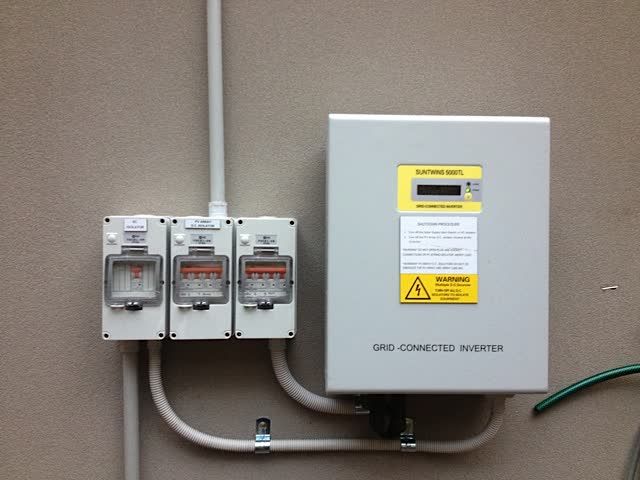
Electricity is essential for modern living, and every home or business needs a reliable power supply. In Auckland, grid connections play a crucial role in linking properties to the electricity network, ensuring safe and consistent energy access.
Whether you are building a new home, developing a commercial property, or upgrading an existing electrical system, understanding how grid connections work in Auckland can help you avoid delays, manage costs, and ensure a smooth connection process.
This guide explains everything you need to know about grid connections in Auckland, including the process, requirements, costs, and important tips for property owners and developers.
What Is a Grid Connection?
A grid connection is the process of connecting a property to the electricity distribution network. This network delivers power from electricity generators to homes, businesses, and industrial facilities.
In simple terms, it allows electricity to flow from the national grid directly into your property through a safe and regulated system.
Grid connections typically involve:
- Installing electrical infrastructure
- Connecting power lines to the distribution network
- Setting up meters and safety equipment
- Ensuring compliance with electrical standards
Without a proper grid connection, a property cannot access reliable electricity from the main power network.
Why Grid Connections Are Important in Auckland
Auckland is one of New Zealand’s fastest-growing cities, with constant development of new residential neighborhoods, commercial buildings, and infrastructure projects.
Because of this growth, efficient grid connections are essential for supporting the city’s expanding energy demands.
Key reasons grid connections are important include:
Reliable Electricity Supply
Homes and businesses depend on a stable power supply for daily operations.
Supporting Urban Development
New housing developments and commercial projects require connections to the power grid before they can operate.
Business Operations
Offices, retail stores, factories, and service providers rely on electricity for equipment, lighting, and digital systems.
Energy Efficiency and Sustainability
Modern grid systems also support renewable energy solutions such as solar power and electric vehicle charging.
Types of Grid Connections in Auckland
Different properties require different types of grid connections depending on their size, usage, and electricity demand.
Residential Grid Connections
Residential grid connections are designed for houses, apartments, and small residential developments.
Common examples include:
- New home construction
- Subdivided properties requiring separate connections
- Upgrading electrical capacity for existing homes
These connections typically involve installing service lines, meters, and distribution equipment.
Commercial Grid Connections
Commercial properties usually require larger and more complex grid connections due to higher energy demand.
Examples include:
- Office buildings
- Retail stores
- Warehouses
- Manufacturing facilities
- Shopping centers
These projects may require additional electrical infrastructure and network upgrades to support higher power loads.
Temporary Grid Connections
Temporary connections are used for short-term electricity needs.
They are commonly used for:
- Construction sites
- Outdoor events
- Temporary installations
Once the project or event is complete, the connection can be safely removed.
How the Grid Connection Process Works in Auckland
The grid connection process involves several steps to ensure safety, compliance, and proper integration with the electricity network.
Application Submission
The process begins with submitting an application to the local electricity distribution company. This application includes details about the property, energy requirements, and project plans.
Network Assessment
The electricity provider evaluates the existing network to determine whether it can support the new connection.
They assess factors such as:
- Network capacity
- Distance from existing power lines
- Infrastructure requirements
Design and Approval
Once the assessment is complete, engineers design the connection plan. This includes determining equipment, wiring routes, and safety measures.
The plan must meet national electrical standards and local regulations before approval.
Installation and Testing
After approval, certified electricians or contractors install the required infrastructure.
This stage may involve:
- Installing underground or overhead power lines
- Setting up electrical panels
- Installing smart meters
Once installation is complete, the system is tested to ensure everything operates safely.
Final Connection
After successful testing and inspection, the property is officially connected to the grid, and electricity begins flowing to the site.
Requirements for Getting a Grid Connection
To obtain a grid connection in Auckland, certain requirements must be met.
These typically include:
Property Documentation
Proof of ownership and development plans.
Electrical Compliance
All electrical installations must comply with New Zealand safety standards.
Meter Installation
Electricity meters must be installed to measure power usage.
Safety Inspections
Final inspections ensure the connection meets safety and regulatory requirements.
Working with experienced electricians or grid connection specialists can help ensure all requirements are met efficiently.
Cost of Grid Connections in Auckland
The cost of a grid connection can vary depending on several factors.
Key cost factors include:
- Distance from the existing network
- Type of connection (residential or commercial)
- Infrastructure upgrades required
- Installation complexity
Residential grid connections are typically more affordable because they require less infrastructure, while commercial or industrial connections may involve larger investments due to higher energy demand.
Property developers should include grid connection costs in their early project planning to avoid unexpected expenses.
How Long Does a Grid Connection Take?
The timeline for a grid connection can vary depending on project complexity and approval processes.
Typical timelines include:
- Simple residential connections: a few weeks
- Larger developments: several months
Factors that may affect timelines include:
- Network capacity issues
- Permit approvals
- Construction schedules
Submitting complete documentation and working with experienced professionals can help speed up the process.
Choosing the Right Grid Connection Service Provider
Selecting the right service provider can make a significant difference in the success of your grid connection project.
Important factors to consider include:
Experience
Choose contractors with experience in grid connections and electrical infrastructure.
Licensing and Certification
Ensure the provider complies with electrical safety regulations.
Local Expertise
Professionals familiar with Auckland’s electricity network and regulations can streamline the process.
Project Management
A reliable provider will handle coordination, permits, and communication with electricity distributors.
Common Challenges with Grid Connections
While grid connections are a standard part of property development, certain challenges can arise.
Some common issues include:
- Limited network capacity in growing areas
- Delays in permit approvals
- Infrastructure upgrades required for large developments
Planning early and consulting with experienced professionals can help minimize these challenges.
Future of Grid Connections in Auckland
The future of grid connections is evolving with new technology and sustainability initiatives.
Emerging developments include:
Smart Grid Technology
Advanced systems that monitor and manage electricity use more efficiently.
Renewable Energy Integration
Support for solar panels and other renewable energy systems.
Electric Vehicle Infrastructure
Grid upgrades to support EV charging networks across Auckland.
These advancements will play an important role in creating a more sustainable and energy-efficient city.
Conclusion
Grid connections are an essential part of modern infrastructure in Auckland. They provide homes and businesses with reliable access to electricity and support the city’s ongoing growth and development.
Understanding the grid connection process, requirements, and costs can help property owners and developers plan projects more effectively.
Frequently Asked Questions
1. What is a grid connection?
A grid connection is the process of connecting a property to the local electricity distribution network. It allows homes, businesses, and buildings to receive electricity safely from the main power grid.
2. Who provides grid connections in Auckland?
Grid connections in Auckland are typically managed by the local electricity distribution network operator. Property owners usually work with licensed electricians, contractors, or connection specialists who coordinate the process with the network provider.
3. How do I apply for a grid connection in Auckland?
To apply for a grid connection, you usually need to:
- Submit a connection application to the electricity network provider
- Provide property plans and electrical load requirements
- Receive approval and connection design
- Schedule installation by qualified electricians
- Complete final inspection and activation