
Understanding Electrical Connections: Types, Safety Tips, and Best Practices
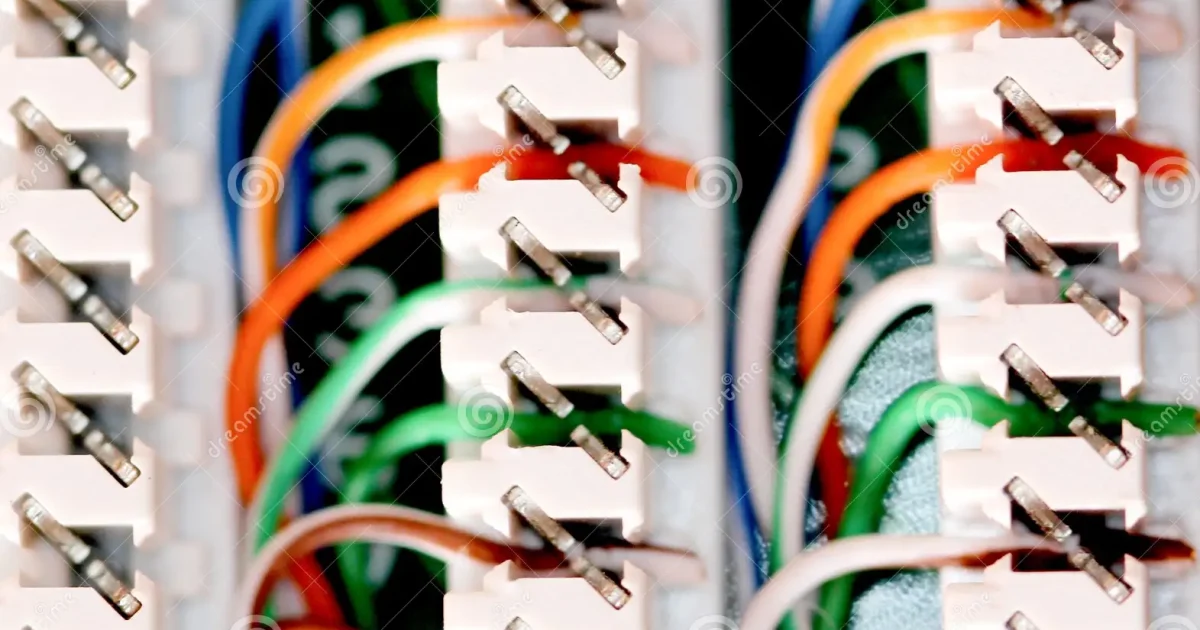
Electricity is a fundamental part of our daily lives, powering our homes, workplaces, and industries. However, to ensure safety and efficiency, understanding electrical connections is crucial. Whether you’re working on electrical projects or simply curious about how electrical systems work, this guide will provide insights into the types of electrical connections, safety tips, and best practices to keep in mind.
What Are Electrical Connections?
At its core, an electrical connection refers to a point where electrical circuits meet. It’s a critical element that allows electricity to flow from one part of the system to another. Without proper connections, systems would fail to operate, and in some cases, could pose serious risks.
Understanding different types of electrical connections helps in maintaining systems, troubleshooting issues, and ensuring safety.
Types of Electrical Connections
There are several types of electrical connections, each suited to specific applications. Let’s break down the most common types:
Screw Terminals
Screw terminals are one of the most common forms of electrical connections. They involve a screw that secures a wire in place when tightened. This type of connection is often found in electrical outlets, light switches, and other household electrical systems.
Benefits:
Simple and reliable
Low cost
Common in both residential and industrial applications
Wire Nuts (Twist-on Connectors)
Wire nuts are plastic connectors that twist onto the ends of wires, holding them together securely. This type of connection is typically used for joining two or more wires in a circuit.
Benefits:
Quick and easy installation
Effective for both residential and commercial applications
Ensures solid, safe connections
Crimp Connectors
Crimp connectors involve using a special tool to press a metal connector onto the wire, ensuring a firm and long-lasting connection. These are commonly used in automotive, industrial, and high-voltage electrical systems.
Benefits:
Provides a strong and permanent connection
Resistant to vibration and corrosion
Ideal for high-performance environments
Spade Connectors
Spade connectors are flat connectors used to connect wires to screw terminals. They are most commonly used in electrical panels, circuit boards, and other systems where space is limited.
Benefits:
Fast and easy installation
Low profile, ideal for tight spaces
Reliable and durable
Butt Connectors
Butt connectors are used to join two wires together. These connectors are cylindrical and have a sleeve in the center where the wires are inserted before crimping. Butt connectors are often used in automotive and industrial applications.
Electrical Connection Safety Tips
While working with electricity is essential in many fields, it can also be hazardous if not handled properly. To avoid accidents and ensure safe electrical connections, follow these critical safety tips:
Turn Off the Power Before Starting Work
One of the most important safety measures is to always turn off the power before beginning any electrical work. This is the first step in preventing electric shocks and fires.
Use Proper Insulation
Make sure that all wires and electrical connections are properly insulated. Insulation not only prevents electrical short circuits but also reduces the risk of accidental electric shocks.
Choose the Right Connectors
Using the correct connectors for the specific application is vital. A poor connection can cause overheating, sparking, or even fires. Always match the connector size and type to the wire you are working with.
Inspect and Maintain Regularly
Electrical connections can deteriorate over time due to heat, corrosion, or wear and tear. Regularly inspecting and maintaining connections helps identify and fix potential issues before they become serious safety hazards.
Use Grounding
Ensure that your electrical systems are properly grounded. Grounding provides a path for electricity to flow into the earth, preventing dangerous surges or electrical faults.
Best Practices for Electrical Connections
To keep your electrical systems running efficiently and safely, following best practices for electrical connections is key. Here are some helpful tips:
Don’t Overload Circuits
Overloading circuits is a common cause of electrical fires. Always check the maximum load capacity of the circuit and avoid exceeding it. If you need more power, consider upgrading your system rather than overloading existing circuits.
Avoid Water Exposure
Electrical connections should never come into contact with water unless specifically designed for wet environments. Water can cause short circuits, corrosion, and other hazards. Always keep electrical connections dry and protected.
Secure Connections Properly
Loose connections are a frequent cause of electrical failures and safety risks. Always ensure that all connections are securely tightened and properly insulated.
Label and Organize Wires
Properly labeling and organizing your wires makes maintenance and troubleshooting easier. Use clear labeling for each wire and connection point, particularly in complex systems.
Use Quality Tools and Materials
Cheap or faulty tools and materials can compromise the integrity of your electrical connections. Invest in high-quality tools, connectors, and wires to ensure the safety and durability of your systems.
Troubleshooting Electrical Connections
Even with proper installation and maintenance, electrical connections can sometimes fail. If you’re experiencing issues, here’s a basic troubleshooting guide to help you resolve common problems:
Loose Connections
One of the most common problems is loose connections. If you’re experiencing intermittent power or sparks, check all your connections to ensure they are tightly secured.
Corrosion
Corrosion can build up over time, especially in areas where moisture is present. If you notice any signs of corrosion (such as discolouration or rust), clean or replace the affected connectors.
Burnt or Frayed Wires
Wires that are burnt or frayed need to be replaced immediately. These types of damage can lead to short circuits or fires. Always inspect wires regularly for wear and tear.
Incorrect Wire Gauge
Using the wrong wire gauge can cause overheating and fires. Ensure that you are using the appropriate wire size for the voltage and amperage requirements of your circuit.
Conclusion
Electrical connections in NZ are the lifeblood of any electrical system, but they come with inherent risks if not properly handled. By understanding the different types of electrical connections, following safety tips, and adhering to best practices, you can ensure the longevity and safety of your electrical systems. Always remember that when in doubt, it’s best to consult a professional to handle complex electrical tasks.
Frequently Asked Questions
What is an electrical connection?
An electrical connection is a point where two or more electrical components, such as wires, terminals, or devices, are linked together to allow electricity to flow through a circuit. Proper connections are essential for the safe and efficient operation of any electrical system.
Why are proper electrical connections important?
Proper electrical connections are vital because they ensure that electricity flows safely and efficiently through a circuit. Poor connections can lead to overheating, sparks, electrical failures, or even fires. Proper connections help maintain system reliability and reduce safety risks.
What types of electrical connections are there?
There are several types of electrical connections, including:
- Screw Terminals: A screw secures the wire in place.
- Wire Nuts: Plastic connectors that twist onto wire ends to join them.
- Crimp Connectors: Metal connectors pressed onto wires for a permanent bond.
- Spade Connectors: Flat connectors used for quick connections to screw terminals.
- Butt Connectors: Cylindrical connectors for joining two wires together.
Each type has its own application based on the needs of the electrical system.
How can I ensure the safety of my electrical connections?
To ensure safety:
- Always turn off the power before working on any electrical connections.
- Use proper insulation for wires and connectors to prevent shocks and short circuits.
- Choose the correct connectors for the wire gauge and application.
- Regularly inspect connections for wear, corrosion, or damage.
- Ensure all connections are tightly secured to avoid loose wires that could cause issues.