
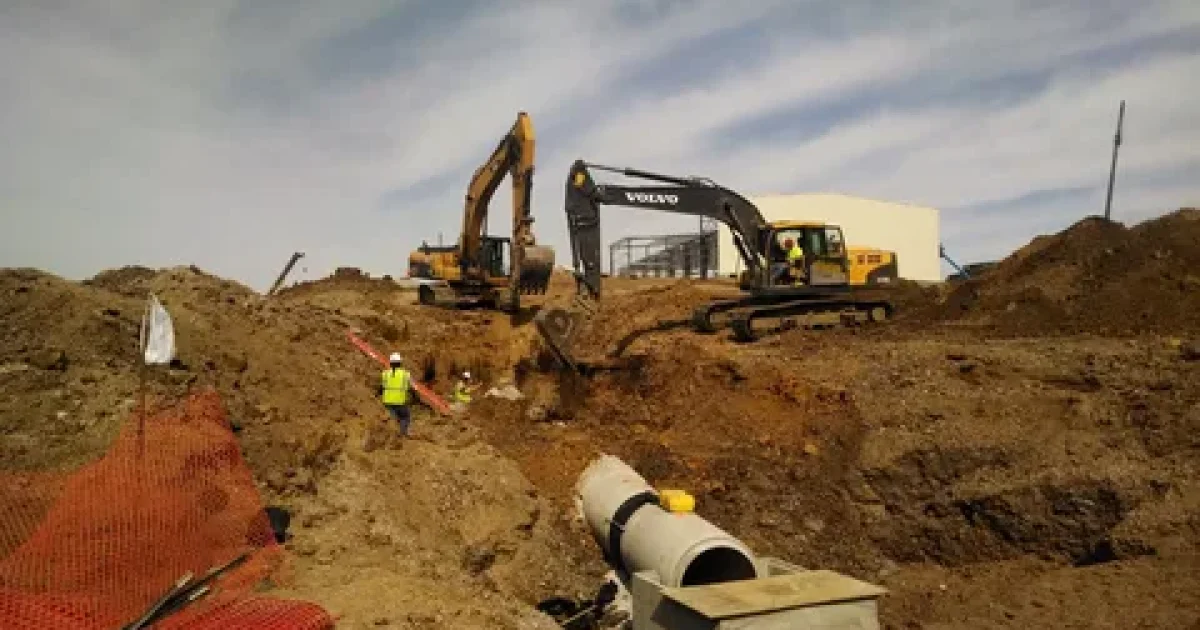
When it comes to modern construction and infrastructure, underground services installation plays a crucial role in ensuring safe, efficient, and long-lasting utility systems. Whether you’re building a new home, a commercial site, or upgrading infrastructure in Auckland, having a proper underground utility installation plan is essential.
From water line installation to electrical underground cabling, every component must meet New Zealand regulations and safety standards. In this guide, we’ll walk you through everything you need to know about underground services installation in Auckland, NZ, including process, costs, and expert tips.
What is underground services installation?
Underground services installation refers to the process of placing essential utilities beneath the ground. These services include:
- Water supply systems
- Sewer and drainage systems
- Electrical underground cabling
- Gas pipelines
- Fibre optic cable installation
In Auckland, professional civil contractors handle these installations using advanced trenching services and excavation techniques to ensure durability and compliance.
Types of Underground Services in Auckland
Water Line Installation
Water infrastructure is critical for residential and commercial properties. Proper water line installation ensures clean and uninterrupted supply.
Pipe laying and connections
Leak-proof systems
Compliance with NZ water standards
Sewer & Drainage Systems
Efficient sewer line installation and stormwater drainage systems prevent flooding and maintain hygiene.
Wastewater management
Stormwater control
Long-term durability
Electrical Underground Cabling
Modern Auckland developments rely on underground electrical systems for safety and aesthetics.
Power cable installation
Reduced exposure to weather
Safer than overhead lines
Fibre Optic & Communication Lines
High-speed internet requires proper fibre optic cable installation.
Telecommunications infrastructure
Future-proof connectivity
Essential for smart homes and businesses
Step-by-Step Underground Installation Process
Understanding the process helps you plan better and avoid costly mistakes.
1. Site Assessment & Planning
Before starting, experts conduct the following:
- Utility mapping and planning
- Soil testing
- Site inspection
This ensures accurate placement of underground infrastructure according to NZ standards.
2. Excavation & Trenching
This is where trenching services in Auckland come into play.
- Digging trenches for utilities
- Using advanced excavation equipment
- Ensuring minimal disruption
3. Installation of Utilities
All major systems are installed:
- Pipes for water and sewer
- Electrical conduits
- Gas and communication lines
4. Safety Checks & Compliance
Every project must meet safety compliance NZ regulations.
- Inspection by authorities
- Testing for leaks and faults
- Meeting Auckland council requirements
5. Backfilling & Restoration
After installation:
- Trenches are filled
- Land is restored
- Final finishing is completed
Cost of Underground Services Installation in Auckland
The cost of underground services installation Auckland depends on several factors:
- Project size and complexity
- Type of utilities installed
- Soil condition
- Equipment and labor
Average Cost Estimate:
- Residential projects: Moderate cost range
- Commercial projects: Higher due to scale
Getting quotes from professional utility contractors Auckland is the best way to estimate accurately.
Common Challenges & How to Avoid Them
Utility Damage Risks
Without proper utility mapping, you may damage existing lines.
Always hire experienced underground contractors in Auckland
Poor Drainage Planning
Improper stormwater drainage systems can cause flooding.
Ensure proper design and slope planning
Non-Compliance with NZ Regulations
Failure to meet compliance regulations NZ utilities can lead to penalties.
Work with licensed contractors only
Benefits of Professional Underground Installation
Hiring experts for underground services installation NZ offers many advantages:
- Long-lasting infrastructure
- Improved safety and reliability
- Compliance with Auckland standards
- Efficient project completion
- Reduced maintenance costs
Choosing the Best Underground Contractors in Auckland
When selecting a contractor, look for:
- Experience in civil construction Auckland
- Licensed and certified professionals
- Strong portfolio of completed projects
- Transparent pricing and quotes
- Knowledge of local Auckland regulations
Searching for the best underground services installation Auckland ensures quality results and peace of mind.
Safety & Compliance in New Zealand
New Zealand has strict rules for underground utility installation to protect people and infrastructure.
Key requirements include:
- Health and safety standards
- Proper excavation practices
- Environmental protection
- Council approvals and permits
Following these ensures a smooth and legal installation process.
Expert Tips for Successful Installation
- Plan early with detailed utility design
- Always conduct site inspection and soil testing
- Use modern equipment for trenching
- Hire local Auckland contractors
- Focus on long-term durability over short-term savings
Conclusion
Underground services installation in Auckland, NZ is a vital part of any construction project. From water and sewer systems to electrical and fibre optic installations, every step must be handled with precision and expertise.
By hiring experienced underground utility contractors Auckland, following proper planning, and ensuring compliance with NZ regulations, you can achieve a safe, efficient, and long-lasting utility setup.
FAQs
What is underground services installation?
It involves installing utilities like water, sewer, power, and communication lines beneath the ground.
How much does underground installation cost in Auckland?
Costs vary based on project size, but getting quotes from Auckland civil contractors gives accurate estimates.
Why choose underground utilities over overhead?
They are safer, more reliable, and less affected by weather conditions.
Do I need permits in Auckland?
Yes, most projects require council approvals and must meet NZ compliance standards.