
Underground utility installation plays a crucial role in modern infrastructure, supporting everything from clean water supply to electricity and internet connectivity. As cities expand and technology advances, the demand for efficient, safe, and cost-effective underground utility systems continues to grow.
In this guide, you’ll learn everything about underground utility installation, including methods, tools, costs, and expert tips to ensure successful project execution.
What Is Underground Utility Installation?
Underground utility installation refers to the process of placing essential service lines beneath the ground. These utilities include water pipes, gas pipelines, electrical cables, and telecommunications networks.
This method improves safety, reduces visual clutter, and protects infrastructure from environmental damage.
Common Methods of Underground Utility Installation
Open Trenching
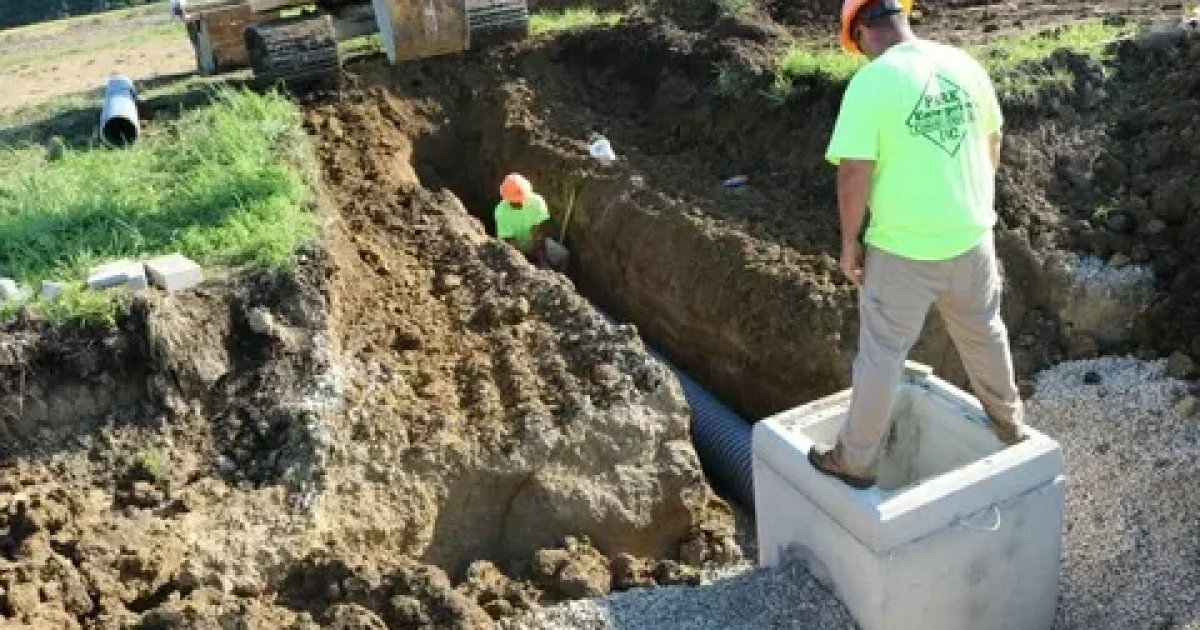
Open trenching is the most traditional method, involving digging a trench to lay utilities. While cost-effective, it can disrupt traffic and the surrounding environment: underground pipeline installation.
Horizontal Directional Drilling (HDD)
HDD is a trenchless method that minimises surface disruption. It’s ideal for urban areas or locations where digging is not feasible.
Pipe Bursting
This technique replaces old pipelines by breaking them apart while simultaneously installing new pipes.
Microtunneling
A highly advanced trenchless method, microtunneling is commonly used for precise installations in densely populated areas.
Tools and Equipment Used
Underground utility installation requires specialised equipment, including:
- Excavators and trenchers for digging
- Directional drilling machines for trenchless work
- Pipe laying and welding equipment
- Utility locators and safety gear
Using the right tools ensures efficiency and reduces the risk of damage or accidents.
Cost of Underground Utility Installation
The cost of underground utility installation varies depending on several factors:
- Soil conditions and terrain
- Project size and depth
- Type of utility being installed
- Labor and equipment costs
On average, costs can range from $50 to $250 per foot, depending on complexity. Trenchless methods are typically more expensive upfront but can save money by reducing restoration costs.
Step-by-Step Installation Process
Planning and Surveying – Identify site conditions and existing utilities
Permits and Approvals – Ensure compliance with regulations
Excavation or Drilling – Choose the appropriate method
Utility Placement – Install pipes or cables
Testing and Inspection – Ensure system integrity
Backfilling and Restoration – Restore the site
Safety Standards and Regulations
Safety is critical in underground cable installation. Contractors must follow strict guidelines to prevent accidents and avoid damaging existing infrastructure.
Using utility detection tools and adhering to local regulations ensures a safe working environment.
Expert Tips for Successful Installation
Conduct thorough site surveys before starting
Select the right installation method for the project
Invest in high-quality materials
Use modern technology for accuracy
Work with experienced professionals
Common Challenges and Solutions
Underground utility installation projects often face challenges such as:
Unstable soil conditions
Unexpected weather changes
Conflicts with existing utilities
Proper planning and risk assessment can help mitigate these issues.
Future Trends in Underground Utility Installation
The future of underground utilities includes:
Smart infrastructure systems
Advanced trenchless technologies
Eco-friendly construction practices
These innovations aim to improve efficiency and sustainability.
Conclusion
Underground utility installation is a vital part of modern infrastructure development. By understanding the methods, tools, costs, and best practices, you can ensure a successful and efficient project. Whether you’re a contractor, engineer, or property owner, informed decisions and proper planning are key to achieving long-term results.
Frequently Asked Questions
1. What is underground utility installation?
Underground utility installation is the process of placing essential service lines such as water pipes, gas pipelines, electrical cables, and telecommunications systems beneath the ground. It helps protect infrastructure, improve safety, and reduce visual clutter.
2. What are the main methods of underground utility installation?
The most common methods include:
Open trenching (traditional digging)
Horizontal Directional Drilling (HDD) (trenchless method)
Pipe bursting (used for replacing old pipes)
Microtunneling (precise installation in urban areas)
Each method is chosen based on project requirements, soil conditions, and location.
3. How much does underground utility installation cost?
Costs typically range from $50 to $250 per foot, depending on factors like soil type, depth, project size, and installation method. Trenchless methods may cost more initially but can reduce restoration expenses.
4. What tools are used in underground utility installation?
Common tools and equipment include:
Excavators and trenchers
Directional drilling machines
Pipe laying and welding tools
Utility locators and safety gear
These tools ensure efficient and safe installation.
5. What is the difference between trenching and trenchless methods?
Trenching involves digging open trenches, which can disrupt the surface.
Trenchless methods install utilities with minimal digging, making them ideal for urban or sensitive areas.