
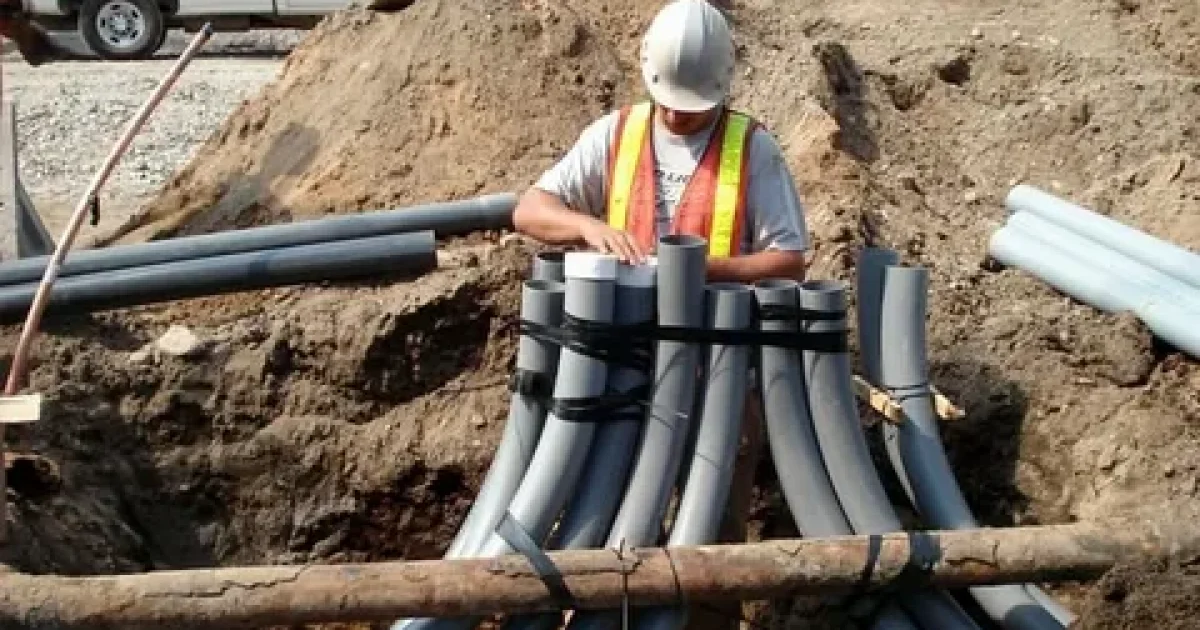
Underground utility installation is an essential part of modern construction, infrastructure development, and property improvement. From water and sewer lines to electrical conduits, gas pipes, telecommunications cables, and drainage systems, underground utilities keep homes, businesses, and communities connected and functional.
Whether you are developing a new commercial site, upgrading an existing property, or planning a residential utility connection, proper underground utility installation helps ensure long-term safety, efficiency, and reliability. When the work is done correctly, utilities remain protected from weather, surface damage, and everyday wear. When it is done poorly, the result can be costly repairs, service interruptions, safety hazards, and project delays.
This guide explains what underground utility installation involves, why professional installation matters, common methods used, what affects project costs, and how to choose the right utility contractor for your project.
What Is Underground Utility Installation?
Underground utility installation is the process of placing essential utility systems beneath the ground. These systems may serve residential, commercial, industrial, or municipal properties.
Common Types of Underground Utilities
Underground utilities can include several different systems, depending on the project requirements.
Water Lines
Water lines deliver clean water to homes, buildings, irrigation systems, and commercial facilities. Proper installation helps prevent leaks, pressure problems, and contamination.
Sewer and Wastewater Lines
Sewer lines carry wastewater away from a property to a municipal sewer system or septic system. These lines must be installed with correct slope, depth, and pipe material to support safe flow.
Storm Drainage Systems
Stormwater systems help manage rainwater and runoff. They may include underground drainage pipes, catch basins, culverts, and retention systems.
Electrical Conduits
Underground electrical conduits protect power cables from physical damage and environmental exposure. These systems are commonly used for new buildings, parking lots, street lighting, and commercial developments.
Gas Lines
Underground gas utility installation requires strict attention to safety, pressure ratings, approved materials, and local codes.
Telecommunications and Fiber Optic Lines
Internet, phone, cable, and fiber optic systems are often installed underground to improve reliability and reduce visual clutter.
Why Professional Underground Utility Installation Matters
Installing underground utilities is not a simple digging project. It requires planning, technical knowledge, equipment, safety procedures, and code compliance.
Safety Comes First
Underground work can involve existing power lines, gas pipes, water mains, and communication cables. Professional utility contractors use proper locating methods before excavation begins. This reduces the risk of hitting existing utilities, damaging infrastructure, or creating dangerous conditions.
Code Compliance
Every utility installation must meet local building codes, utility provider requirements, and industry standards. Professional installers understand required depths, bedding materials, pipe types, backfill methods, and inspection processes.
Long-Term Reliability
A properly installed utility system is designed to last for many years. Correct trenching, grading, pipe joining, compaction, and testing all help prevent future problems such as leaks, settling, clogs, or cable damage.
Cost Control
Although hiring professionals may seem like a larger upfront investment, it often saves money over time. Poor installation can lead to rework, failed inspections, property damage, emergency repairs, and service interruptions.
The Underground Utility Installation Process
Every project is different, but most underground utility installations follow a similar process.
Site Assessment and Planning
The first step is evaluating the project site. Contractors review property plans, utility maps, soil conditions, access points, and project goals.
Key Planning Considerations
A proper plan may include utility routing, trench depth, equipment access, drainage needs, safety risks, and required permits. This stage helps prevent surprises once excavation begins.
Utility Locating
Before digging, existing underground utilities must be identified. This is one of the most important steps in the entire process.
Why Utility Locating Is Important
Accurate locating helps avoid damage to existing electrical lines, gas pipes, sewer systems, water lines, and fiber optic cables. It also protects workers, property owners, and nearby structures.
Excavation or Trenching
Once utilities are located and the route is planned, excavation begins. Traditional trenching is commonly used when open ground is available and surface disruption is acceptable.
Trenching for Utility Installation
Trenching involves digging a narrow channel where pipes, conduits, or cables will be placed. The trench must be deep and wide enough for the utility type, bedding material, and local requirements.
Pipe, Conduit, or Cable Placement
After the trench is prepared, the utility material is installed. This may include water pipe, sewer pipe, electrical conduit, gas pipe, or communication cable.
Proper Placement Matters
The utility must be placed at the correct depth and slope. Some systems require separation from other utilities to prevent safety issues and allow future maintenance access.
Bedding and Backfill
Bedding material supports and protects the installed utility. After placement, the trench is backfilled in layers and compacted properly.
Importance of Compaction
Poor compaction can lead to soil settlement, pavement damage, pipe movement, and drainage problems. Professional contractors use the right backfill methods to support long-term stability.
Testing and Inspection
Before the project is complete, utilities may need to be tested and inspected. This can include pressure testing, leak testing, flow testing, or electrical continuity checks.
Final Approval
Many underground utility projects require approval from local authorities, utility companies, engineers, or project managers before the system can be put into service.
Common Methods for Underground Utility Installation
There are several ways to install underground utilities. The best method depends on site conditions, utility type, budget, and project goals.
Open Trench Installation
Open trench installation is one of the most common methods. It involves excavating a trench, installing the utility, and restoring the surface afterward.
Best Uses for Open Trenching
This method is often used for new construction sites, large open areas, water lines, sewer lines, drainage systems, and electrical conduits.
Directional Drilling
Directional drilling, also known as horizontal directional drilling, allows utilities to be installed underground with minimal surface disruption.
Benefits of Directional Drilling
This method is useful when utilities need to pass under roads, sidewalks, driveways, landscaping, parking lots, or existing structures. It can reduce restoration costs and limit disturbance to the property.
Boring and Jacking
Boring is another trenchless utility installation method. It is often used to create underground pathways beneath obstacles.
When Boring Is Useful
Boring may be a good option for road crossings, railroad crossings, commercial entrances, or areas where open excavation is not practical.
Plowing
Utility plowing is sometimes used for cable or small conduit installation in suitable soil conditions. It can be faster than traditional trenching for certain projects.
Limitations of Plowing
This method is not ideal for every utility type or soil condition. It requires proper planning to avoid damage and ensure correct depth.
Benefits of Underground Utility Installation
Underground utility systems offer several advantages compared to above-ground utility placement.
Improved Protection
Underground utilities are less exposed to wind, storms, falling branches, traffic impact, and vandalism. This can improve service reliability and reduce maintenance needs.
Better Appearance
Placing utilities underground removes overhead wires and visible infrastructure. This creates a cleaner, more attractive property appearance.
Increased Property Functionality
Underground systems can free up space, improve site layout, and support future development. This is especially valuable for commercial sites, subdivisions, industrial facilities, and public projects.
Lower Risk of Weather-Related Outages
Electrical and communication lines installed underground may be less vulnerable to certain weather-related disruptions. This can be beneficial for homes, businesses, and critical facilities.
Factors That Affect Underground Utility Installation Cost
The cost of underground utility installation can vary widely. Several factors influence the final price.
Type of Utility
Water lines, sewer lines, gas lines, electrical conduits, and fiber optic cables each have different installation requirements. Materials, testing, permits, and labor needs can all vary.
Project Length and Depth
Longer utility runs generally require more excavation, materials, labor, and restoration. Deeper utilities may require additional safety measures and equipment.
Soil Conditions
Rocky soil, clay, unstable ground, high water tables, or contaminated soil can make installation more complex.
Installation Method
Open trenching is often cost-effective in open areas, while directional drilling or boring may cost more upfront but reduce restoration expenses.
Surface Restoration
Projects under driveways, roads, sidewalks, landscaping, or parking lots may require additional restoration work after installation.
Permits and Inspections
Permit fees, engineering requirements, and inspections can affect the total project cost. These steps are important for legal and safe installation.
Signs You May Need Underground Utility Installation or Replacement
Not every project involves new construction. Sometimes existing underground utilities need to be upgraded, repaired, or replaced.
Frequent Utility Problems
Repeated water leaks, sewer backups, drainage failures, or electrical issues may indicate an aging or damaged underground system.
Property Expansion
Adding a new building, garage, outdoor kitchen, irrigation system, commercial unit, or parking area may require new underground utility connections.
Outdated Materials
Older pipes, conduits, or service lines may no longer meet current standards. Replacement can improve safety and performance.
Poor Drainage
Standing water, erosion, basement moisture, or flooded landscaping may point to the need for improved underground drainage installation.
Choosing the Right Underground Utility Contractor
The quality of your installation depends heavily on the contractor you hire. Choosing an experienced utility installation company can protect your investment and help the project run smoothly.
Look for Relevant Experience
Choose a contractor with experience in the specific type of utility work you need. Water, sewer, gas, electrical, and communication systems each require specialized knowledge.
Verify Licensing and Insurance
A professional contractor should have proper licensing, insurance, and safety procedures. This protects both the property owner and the installation crew.
Ask About Equipment and Methods
The right contractor should be able to explain whether trenching, boring, directional drilling, or another method is best for your site.
Review Past Projects
Project examples, references, and customer reviews can help you understand the contractor’s reliability and workmanship.
Get a Clear Estimate
A good estimate should explain the scope of work, materials, installation method, restoration needs, timeline, and any possible additional costs.
Safety and Environmental Considerations
Underground utility installation must be completed with care to protect workers, the public, and the environment.
Preventing Utility Strikes
Professional crews locate existing utilities before digging and follow safe excavation practices throughout the project.
Managing Soil and Water
Excavated soil, groundwater, and stormwater runoff must be managed properly to prevent erosion, contamination, and site damage.
Protecting Nearby Structures
Utility trenches and boring paths must be planned to avoid foundations, retaining walls, trees, pavement, and other structures.
Residential Underground Utility Installation
Homeowners may need underground utility services for new construction, property upgrades, or repairs.
Common Residential Projects
Residential utility work may include water service lines, sewer connections, electrical conduit for garages, drainage systems, gas lines, and internet or fiber connections.
Why Homeowners Should Avoid DIY Utility Installation
Underground utilities involve safety risks, code requirements, and technical challenges. DIY installation can lead to failed inspections, property damage, and expensive corrections.
Commercial Underground Utility Installation
Commercial projects often require larger and more complex utility systems.
Common Commercial Applications
Commercial underground utility installation may support office buildings, retail centers, warehouses, apartment complexes, parking lots, schools, hospitals, and industrial facilities.
Importance of Project Coordination
Commercial projects usually involve engineers, utility providers, inspectors, general contractors, and property managers. Strong coordination helps prevent delays and keeps the project on schedule.
How to Prepare for an Underground Utility Installation Project
Property owners and project managers can take several steps before installation begins.
Review Your Project Goals
Know what utilities are needed, where they should connect, and how the system will support current and future use.
Gather Site Information
Existing site plans, surveys, utility maps, and construction drawings can help the contractor plan accurately.
Plan for Access
Make sure the contractor can access the work area with the required equipment. Remove vehicles, materials, or obstacles before work begins.
Discuss Restoration
Before installation starts, confirm how disturbed areas will be restored. This may include soil grading, grass seeding, asphalt repair, concrete replacement, or landscaping.
Final Thoughts
Underground utility installation is a critical part of building safe, efficient, and reliable infrastructure. Whether the project involves water lines, sewer systems, drainage pipes, electrical conduits, gas lines, or communication cables, professional installation helps prevent costly problems and supports long-term performance.
FAQ
What is underground utility installation?
Underground utility installation is the process of placing essential utility systems below the ground. These may include water lines, sewer pipes, storm drainage systems, electrical conduits, gas lines, and communication cables.
Why are utilities installed underground?
Utilities are installed underground to protect them from weather, surface damage, traffic impact, and visual clutter. Underground systems can also improve reliability, safety, and the overall appearance of a property.
What types of underground utilities can be installed?
Common underground utilities include water service lines, sewer lines, storm drains, gas lines, electrical conduits, fiber optic cables, telephone lines, and cable internet lines.
How long does underground utility installation take?
The timeline depends on the size of the project, soil conditions, utility type, installation method, permits, inspections, and site access. Small residential projects may take less time, while large commercial or municipal projects may require more planning and coordination.
What is the best method for underground utility installation?
The best method depends on the site and project requirements. Open trenching is common for accessible areas, while directional drilling or boring may be better when utilities need to pass under roads, sidewalks, driveways, or landscaped areas.
Is directional drilling better than trenching?
Directional drilling is often better when surface disruption must be minimized. Trenching may be more cost-effective in open areas where excavation and restoration are easier. A professional utility contractor can recommend the most suitable option.
Do I need a permit for underground utility installation?
In many cases, yes. Permits may be required for water, sewer, gas, electrical, drainage, and right-of-way work. Permit requirements vary by location and project type, so it is important to check with local authorities or your utility contractor.