
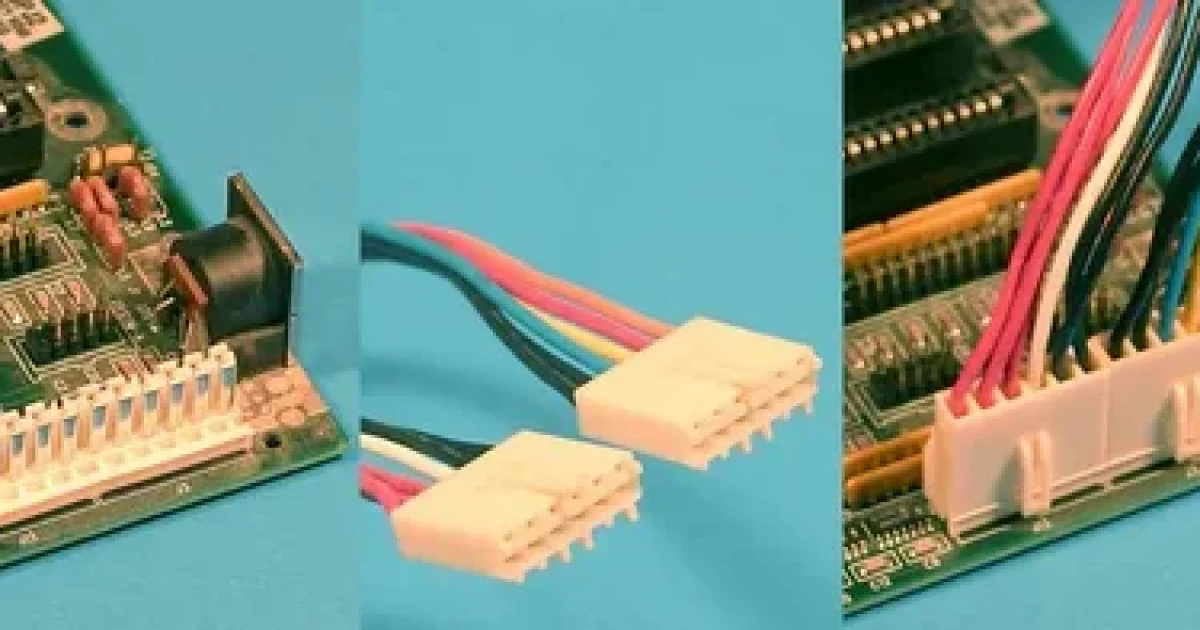
Electrical connections form the backbone of any modern home or commercial building. From powering your appliances to lighting your spaces, reliable and safe power connections are crucial for daily life. Poor wiring or incorrect installation can lead to inefficiency, equipment damage, or even serious hazards like fires and electrocution.
In this ultimate guide, we’ll explore everything you need to know about safe, efficient, and reliable electrical connections, practical installation tips, and how to maintain them—especially if you’re based in Auckland or looking for local expertise
Understanding Power Connections
At its core, a power connection is the point where electrical power enters a system and is distributed to various circuits. Understanding the fundamentals can help prevent hazards and optimize energy efficiency.
What Is a Power Connection?
A power connection can be as simple as plugging an appliance into a socket or as complex as wiring an entire building for electricity. Properly installed connections ensure that electrical devices operate safely and at optimal performance. electrical safety, home wiring safety
Why Power Connections Matter
- Safety: Faulty connections can lead to fires or electric shocks.
- Efficiency: Proper connections reduce energy loss and prevent overloading circuits.
- Longevity: Well-maintained electrical systems extend the lifespan of appliances.
Types of Electrical Connections
Electrical connections come in several forms. Knowing the type you are dealing with helps in troubleshooting and installation.
1. Series Connections
In a series connection, all devices are connected along a single path. While simple, it has a major drawback: if one device fails, the whole circuit is interrupted.
2. Parallel Connections
Parallel wiring connects devices across multiple paths, allowing them to operate independently. This is ideal for home lighting and socket systems.
3. Combination Connections
Some systems use a mix of series and parallel connections for specialized devices or safety features.
circuit connection tips, power supply installation
Safety Measures for Power Connections
Electrical safety should never be compromised. Follow these best practices to protect your home and family.
Inspecting Wiring Regularly
Regular inspections can prevent potential hazards. Look out for:
- Frayed wires
- Loose connections
- Burn marks or discoloration
Using Quality Materials
Always use certified wires, sockets, and breakers. Cheap components may save money initially but pose long-term risks.
Installing Circuit Breakers and RCDs
Circuit breakers and residual current devices (RCDs) provide essential protection against overloads and short circuits.
Avoid Overloading Outlets
Plugging too many devices into a single socket is a leading cause of household electrical fires.
home wiring safety, Auckland electricians
Efficient Energy Use Through Proper Connections
Efficient power connections not only enhance safety but also save on electricity bills.
Optimize Your Circuit Layout
Plan circuits to minimize cable length and resistance. This reduces energy loss and keeps appliances running efficiently.
Use Energy-Efficient Devices
Modern devices consume less power. Combine them with well-installed wiring for maximum efficiency.
Smart Home Integration
Smart plugs and energy monitors allow you to track usage and identify inefficient circuits.
Secondary keywords: efficient energy use, energy-saving tips
Common Mistakes and How to Avoid Them
Even minor mistakes in electrical connections can have serious consequences.
- DIY Electrical Work Without Knowledge: Avoid tackling complex wiring without expertise.
- Ignoring Local Electrical Codes: Auckland, like other regions, has strict regulations for safety.
- Mixing Wire Gauges: Using the wrong wire thickness can cause overheating.
- Skipping Grounding: Proper grounding prevents shocks and equipment damage.
Hiring Professional Electricians in Auckland
Sometimes, professional help is the best way to ensure safety and reliability.
Why Hire a Licensed Electrician?
Licensed electricians ensure:
- Compliance with local codes
- Safe installation and maintenance
- Long-term system reliability
Choosing the Right Auckland Electrician
Look for electricians with:
- Proven experience in residential or commercial wiring
- Positive customer reviews
- Certifications from recognized authorities
Secondary keywords: Auckland electricians, licensed electrical service
Maintaining Your Electrical System
Routine maintenance can extend the life of your system and prevent costly repairs.
Schedule Regular Inspections
Annual checks by professionals help catch wear and tear early.
Replace Old or Damaged Components
Old wires, sockets, or breakers should be replaced immediately to maintain safety.
Keep a Safe Environment
Avoid storing flammable materials near electrical panels or devices.
Secondary keywords: electrical maintenance tips, home safety guide
Conclusion
A well-designed, safely installed, and efficiently maintained power connection system is critical for both safety and cost-effectiveness. Whether you are upgrading your home, installing new appliances, or managing a commercial building in Auckland, following these best practices ensures reliable electricity for years to come.
Remember: safety first, efficiency second, reliability always. Hiring licensed electricians and investing in quality materials are your best bets for worry-free power connections.
FAQs
Q1: Can I do my own electrical wiring?
A: Simple tasks like replacing sockets are possible, but complex wiring should always be handled by licensed electricians.
Q2: How often should I inspect my electrical system?
A: At least once a year, or immediately if you notice sparks, flickering lights, or tripped breakers.
Q3: What is the best way to improve energy efficiency?
A: Use energy-efficient appliances, optimize circuit layouts, and install smart monitoring devices.