
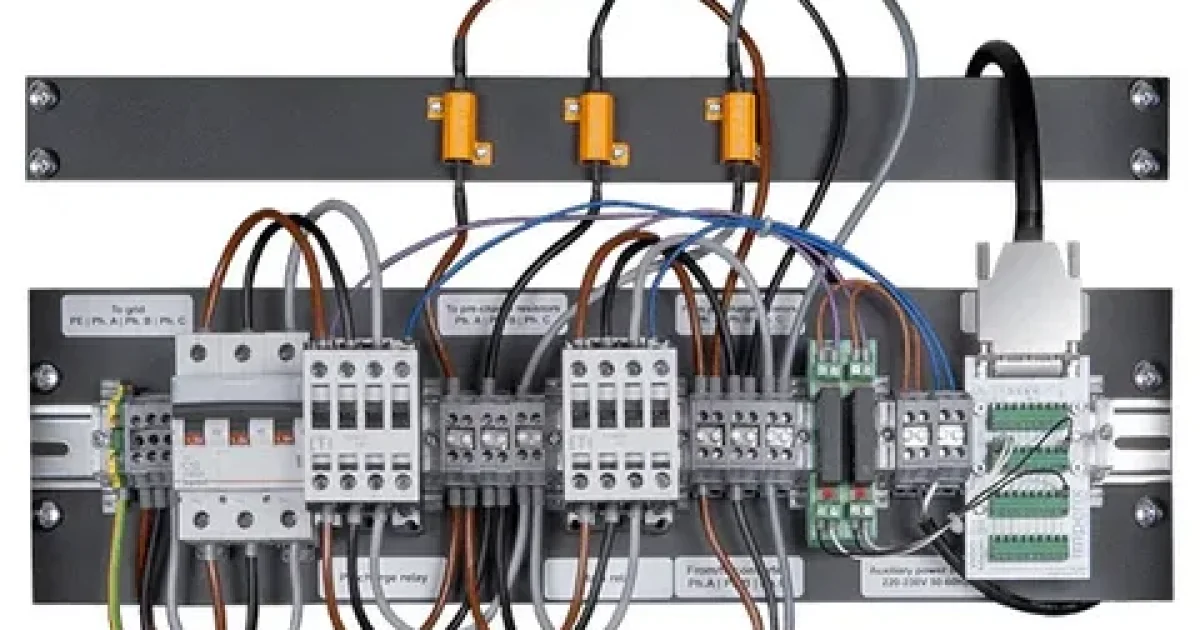
Grid connection civil works in Auckland play an important role in creating safe, reliable, and future-ready power infrastructure for homes, commercial buildings, subdivisions, and industrial sites. Before a property can receive a dependable electricity supply, the right groundwork must be completed. This can include excavation, trenching, cable duct installation, service routes, reinstatement, and coordination with the electrical network connection process.
For many property owners, builders, and developers, the electrical side of a project often gets the most attention. However, the civil works behind a grid connection are just as important. Poor trenching, weak planning, incorrect duct placement, or unsafe excavation can delay the project, increase costs, and create long-term reliability issues.
Professional grid connection civil works Auckland services help ensure that the site is properly prepared for power connection. Whether you are working on a new home, a multi-lot development, a commercial site, or an infrastructure upgrade, experienced civil contractors can make the process smoother, safer, and more efficient.
What Are Grid Connection Civil Works?
Grid connection civil works refer to the physical groundwork required to connect a property or development to the electricity network. These works support the installation of underground power cables, ducts, pits, foundations, and other infrastructure needed for a safe and compliant power supply.
The Civil Side of Power Connections
A grid connection is not only about electrical cables and switchboards. It also involves practical site preparation. Civil works may include trench excavation, utility locating, cable ducting, bedding material, backfilling, traffic management, surface reinstatement, and access preparation.
In Auckland, this work can be more complex because of busy roads, existing underground services, narrow sites, driveways, footpaths, and local approval requirements. That is why grid connection civil works Auckland projects should be planned carefully from the beginning.
Why Civil Works Matter
The quality of civil works can affect the safety, durability, and reliability of the final power connection. If the trench is poorly prepared or the ducts are incorrectly installed, it can cause problems during cable installation or future maintenance.
Good civil infrastructure works help protect underground electrical assets from ground movement, water damage, accidental impact, and future excavation risks. They also make the installation process easier for electrical contractors and network providers.
Why Grid Connection Civil Works Are Important in Auckland
Auckland continues to grow, with new homes, townhouses, commercial buildings, and subdivisions being developed across the region. As demand for reliable electricity increases, proper grid connection civil works in Auckland have become essential for safe and efficient project delivery.
Supporting New Developments
New developments often require underground power infrastructure before buildings can be completed or occupied. Civil works create the pathway for power cables and supporting services, allowing the electrical connection process to move forward.
For subdivisions, this may involve multiple service routes, shared trenches, connection points, and future-ready infrastructure for several lots. For commercial projects, it may involve larger ducts, stronger access planning, and more detailed coordination.
Improving Site Safety
Excavation work always carries risk, especially in areas with existing underground utilities. Professional contractors follow safe digging practices, identify underground services, and use proper site controls to protect workers, pedestrians, and nearby assets.
Grid connection civil works Auckland projects may take place near roads, footpaths, berms, driveways, and active construction sites. This makes safety planning essential.
Reducing Project Delays
Delays often happen when civil works are not planned correctly. Missing approvals, unknown underground services, poor access, unsuitable trench routes, or failed inspections can slow down the entire project.
By engaging experienced civil works contractors early, builders and property owners can reduce avoidable problems and keep the grid connection process moving.
Common Types of Grid Connection Civil Works
Every project is different, but most grid connection civil works in Auckland involve a combination of excavation, underground service installation, and site reinstatement.
Electrical Trenching
Electrical trenching is one of the most common parts of grid connection civil works. Trenches provide a safe underground route for power ducts and cables. The trench must be planned around existing utilities, buildings, trees, driveways, and other site features.
The right trench route can reduce disruption and make future access easier. Poor trench planning can create unnecessary costs and complications.
Cable Duct Installation
Cable ducts protect electrical cables and help guide them from the network connection point to the property or site infrastructure. Ducts must be installed at the correct location and depth, with suitable bedding and backfill.
Cable ducting is especially important for long-term reliability. It helps reduce the risk of damage and makes future cable replacement or upgrades more practical.
Service Pits and Connection Points
Some projects require service pits, connection points, or other underground access structures. These are used to support cable routing, inspection, and future maintenance.
For larger sites, service pits may need to be placed strategically so that the power network can be accessed without unnecessary excavation later.
Directional Drilling
In some situations, open trenching may not be the best option. Directional drilling can be used to install underground ducts beneath driveways, roads, paths, or landscaped areas with less surface disruption.
This method can be useful for Auckland sites where access is limited or where maintaining the existing surface is important.
Surface Reinstatement
After civil works are complete, the surface needs to be restored. Reinstatement may involve grass, soil, concrete, asphalt, paving, or driveway repair.
A tidy reinstatement leaves the site safe, usable, and visually presentable. It also helps reduce complaints from property owners, neighbours, pedestrians, or road users.
The Grid Connection Civil Works Process
A well-managed project follows a clear process from site assessment to final reinstatement. This helps reduce risk and improve communication between all parties involved.
1. Site Assessment
The first step is to inspect the site and understand the project requirements. This includes reviewing the proposed connection route, access conditions, existing services, ground type, traffic impact, and construction timeline.
A detailed site assessment helps identify possible challenges before machinery arrives on site.
2. Planning and Coordination
Grid connection civil works Auckland projects often require coordination between civil contractors, electricians, builders, developers, network providers, and local authorities.
Planning may include service drawings, trench layouts, duct specifications, traffic management, corridor access requirements, and scheduling with other trades.
3. Underground Service Location
Before digging begins, existing underground services must be located. This may include water, wastewater, stormwater, gas, telecommunications, fibre, and electrical assets.
Service location is one of the most important steps because damaging underground infrastructure can be dangerous, expensive, and disruptive.
4. Excavation and Duct Installation
Once the site is prepared, excavation begins. Contractors create the trench or drilling route, install ducts, place warning tape where required, and prepare the trench for safe backfilling.
This stage must be completed carefully to avoid damaging nearby services and to ensure the duct route is suitable for electrical installation.
5. Backfilling and Compaction
After ducts are installed, the trench is backfilled using suitable material. Proper compaction helps prevent future ground settlement, surface cracking, or drainage issues.
Good backfilling is especially important in driveways, footpaths, roads, and commercial areas where vehicle or pedestrian traffic is expected.
6. Testing, Inspection, and Handover
Depending on the project, the completed works may need inspection before the electrical connection can proceed. Accurate records, clear communication, and proper handover help support the next stage of the grid connection.
7. Final Reinstatement
The final step is reinstating the surface. This ensures the work area is safe, clean, and ready for use. Professional reinstatement is a key part of delivering a complete civil works service.
Residential Grid Connection Civil Works
Homeowners may need grid connection civil works when building a new house, replacing an old service line, relocating a power supply, or converting overhead power to underground power.
New Home Connections
For new builds, civil works are often completed before the main electrical fit-out. The trench and duct route must be ready so the property can be connected to the electricity network at the right stage of construction.
Driveway and Landscape Projects
Sometimes power infrastructure needs to be moved or upgraded during driveway construction, landscaping, fencing, or renovation work. Planning the civil works early helps avoid digging up finished surfaces later.
Long Driveway or Rural-Style Sites
Some Auckland properties have long accessways or lifestyle-style layouts. These sites may require longer cable routes, more careful trench planning, and durable underground ducting.
Commercial Grid Connection Civil Works
Commercial and industrial projects often have higher power demands and more complex infrastructure needs. Grid connection civil works Auckland contractors may need to plan for larger ducts, deeper trenches, greater site access control, and staged installation.
Supporting Business Operations
Reliable power is essential for offices, warehouses, retail spaces, workshops, hospitality sites, and manufacturing facilities. Civil works create the foundation for a power connection that supports daily operations.
Planning for Future Growth
Commercial sites should consider future load requirements. Installing suitable ducts and service routes during the initial civil works stage can make future upgrades easier and more cost-effective.
Working Around Active Sites
Some commercial projects happen while the business remains open. In these cases, contractors must manage access, safety, noise, traffic, and disruption carefully.
Subdivision and Development Projects
Subdivisions require strong planning because multiple properties may depend on shared infrastructure. Civil works for subdivisions can include trenching for power, communications, and other utilities.
Multi-Lot Service Routes
Each lot needs a suitable connection pathway. Poor planning can create conflicts between services or cause problems when individual homes are built later.
Coordination With Other Utilities
Power is often installed alongside other services. Coordinating trench routes can reduce repeated excavation and improve project efficiency.
Future-Proofing the Development
Good civil design supports long-term maintenance, future upgrades, and easier service access. This is especially valuable for developers who want to deliver a high-quality finished site.
Safety and Compliance Considerations
Safety must be a priority on every grid connection civil works Auckland project. Excavation, underground utilities, traffic, machinery, and electricity-related infrastructure all require proper control.
Working Near Roads and Footpaths
If civil works affect a road, footpath, or berm, approvals and traffic management may be required. This helps protect workers, pedestrians, cyclists, and motorists.
Managing Excavation Hazards
Excavation hazards include trench collapse, underground service strikes, unstable ground, water ingress, and machinery movement. Experienced contractors use safe work methods to reduce these risks.
Protecting Underground Assets
Underground assets must be treated carefully. Service plans, location tools, potholing, and safe digging methods help reduce the risk of damage.
Choosing the Right Civil Works Contractor
Choosing the right contractor can make your grid connection project easier from start to finish. The best team will understand both the civil construction side and the practical requirements of power infrastructure.
Experience With Auckland Conditions
Auckland sites can include clay soils, tight access, coastal areas, high-traffic streets, and established underground services. Local experience helps contractors plan more effectively.
Clear Communication
Good communication keeps builders, electricians, developers, and property owners informed. It also helps prevent misunderstandings around timing, access, reinstatement, and project scope.
End-to-End Capability
A contractor who can manage trenching, ducting, excavation, backfilling, and reinstatement can reduce the need for multiple suppliers. This can save time and improve accountability.
Cost Factors for Grid Connection Civil Works
The cost of grid connection civil works in Auckland depends on the size and complexity of the project.
Main Factors That Affect Pricing
Costs may be influenced by trench length, ground conditions, hard surface removal, reinstatement type, traffic management, service location, access difficulty, duct requirements, and project urgency.
Why Quality Matters
The cheapest option is not always the best value. Poor civil works can lead to delays, failed inspections, safety risks, and expensive repairs. Quality workmanship helps protect your investment and supports a reliable grid connection.
Frequently Asked Questions
What are grid connection civil works?
Grid connection civil works are the excavation, trenching, ducting, reinstatement, and site preparation works needed to support a property’s connection to the electricity network.
Do I need civil works for a new power connection?
In many cases, yes. If underground cables or ducts are required, civil works will usually be needed before the electrical connection can be completed.
Can civil works be done before the electrical contractor starts?
Yes. In fact, civil works are often completed before cable installation and final electrical connection. The timing should be coordinated with the project team.
How long do grid connection civil works take?
The timeframe depends on the size of the project, ground conditions, approvals, access, and reinstatement requirements. A simple residential trench may be quicker than a subdivision or commercial project.
Are permits required?
Permits or approvals may be required if the work affects roads, footpaths, berms, or public areas. A professional contractor can help identify what is needed for your site.
Conclusion
Grid connection civil works in Auckland are a vital part of building safe, reliable, and long-lasting power infrastructure. From residential homes and commercial properties to subdivisions and large developments, quality civil works help prepare the site for a smooth electricity connection.
A successful project starts with careful planning, safe excavation, accurate service location, proper duct installation, and professional reinstatement. By choosing experienced contractors for grid connection civil works Auckland projects, property owners and developers can reduce delays, manage risk, and create a stronger foundation for reliable power supply.
Whether you are starting a new build, upgrading an existing connection, or preparing a development site, professional grid connection civil works can help deliver safe and reliable site solutions from the ground up.