
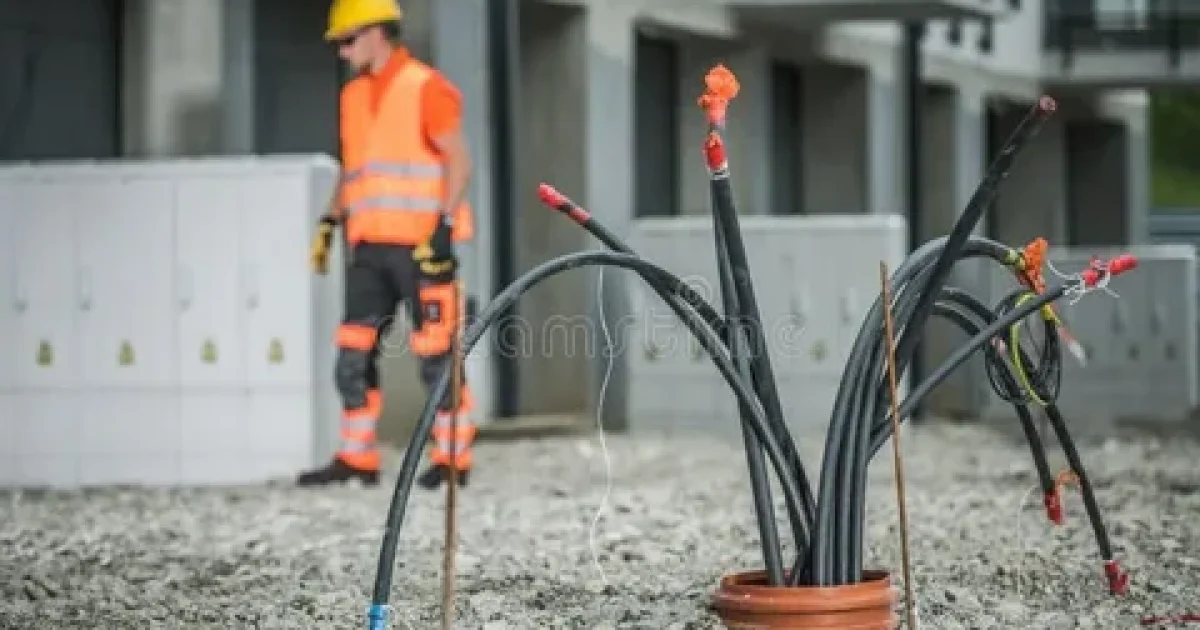
Modern properties need electrical systems that are safe, reliable, and built for long-term performance. Whether you are building a new home, upgrading an older property, improving a commercial site, or planning outdoor electrical work, Underground Power can be a smart and practical solution. Instead of having overhead wires exposed to wind, storms, trees, and visual clutter, underground systems keep power cables protected below the ground.
Underground Power is commonly used for homes, businesses, subdivisions, rural properties, outdoor buildings, workshops, garages, and landscape lighting systems. It helps improve safety, supports a cleaner property appearance, and reduces the risk of weather-related cable damage. However, proper planning and professional installation are essential because buried electrical cables must be installed correctly, protected properly, and connected safely.
In this guide, we explain what is, how it works, where it is used, and why it may be the right electrical solution for your property.
What Is Underground Power?
Underground Power refers to an electrical supply system where power cables are installed below ground instead of being carried by overhead poles and wires. These cables are usually placed inside protective electrical conduit or installed using approved underground power cables designed for buried environments.
The purpose of Underground Power is to deliver electricity safely while protecting the cable from external damage. A properly installed system may connect the main power supply to a home, garage, shed, commercial building, outdoor equipment, or other parts of a property.
Unlike overhead power lines, underground electrical cables are hidden from view. This makes them popular for property owners who want a neat, modern, and low-maintenance electrical layout. Still, Power installation must always be handled by a licensed electrician or qualified electrical contractor.
Why Choose Underground Power?
There are several reasons property owners choose Power over overhead electrical lines. One of the biggest benefits is safety. Overhead cables can be affected by falling branches, strong winds, vehicle impact, and weather events. When electrical cables are placed underground, they are less exposed to these risks.
Another benefit is appearance. Overhead wires can make a property look cluttered, especially around new homes, landscaped areas, driveways, and commercial entrances. Underground Power creates a cleaner and more professional look because the cables are hidden below the surface.
It can also improve reliability. While no electrical system is completely risk-free, underground power cables are usually better protected from storms and external weather conditions. This makes Underground Power a practical choice for both residential and commercial electrical projects.
Common Uses of Underground Power
Underground Power can be used in many types of electrical projects. For homeowners, it is often installed during new builds, renovations, garage wiring, outdoor lighting projects, and upgrades from overhead supply. Residential underground power can also be useful when connecting electricity to sleepouts, sheds, pool areas, gates, pumps, and garden features.
For businesses, commercial underground power may be used for office buildings, warehouses, workshops, retail sites, car parks, signage, security systems, and outdoor equipment. In commercial environments, a safe power supply is essential for daily operations, so planning the cable route correctly is very important.
Underground Power is also common in subdivisions and developments where property owners want a modern electrical infrastructure without overhead poles. In these cases, power cable installation may be part of a larger site plan involving trenching, drainage, data cables, and other underground services.
How Underground Power Installation Works
A successful Underground Power installation starts with planning. Before any trench is dug, the electrician or contractor needs to understand the power requirements, cable distance, property layout, switchboard location, meter box position, and connection points. The route must also avoid existing underground services such as water pipes, gas lines, fibre cables, and drainage systems.
Electrical trenching is then completed to the required depth and width. The underground electrical cables may be installed inside conduit for protection. Marker tape, warning signs, or protective covers may also be used depending on the project and local requirements.
Once the cable is placed, the electrician connects it to the relevant switchboard, distribution board, meter box, or electrical load. Testing is then carried out to confirm the system is safe and working properly. This process helps ensure that Underground Power is not only hidden but also dependable and compliant.
Importance of Proper Cable Protection
One of the most important parts of is cable protection. Buried electrical cables must be protected from soil pressure, moisture, digging, ground movement, and accidental impact. This is why electrical conduit and approved underground power cables are commonly used.
If cables are not protected correctly, they may become damaged over time. Damage can lead to power faults, tripping circuits, electric shock risks, or costly repairs. Proper cable selection is also important because not every electrical cable is suitable for underground installation.
A licensed electrician can choose the correct cable type, conduit size, circuit protection, and installation method. This helps the Underground Power system remain safe and reliable for many years.
Underground Power for Homes
Homeowners often choose when they want a safer and tidier electrical setup. It is especially useful for new homes, major renovations, driveway upgrades, detached garages, garden lighting, outdoor kitchens, and electric gate systems.
Residential underground power can also improve outdoor safety. Instead of using long extension leads across lawns, paths, or driveways, a permanent underground electrical supply can be installed for outdoor areas. This makes the property more practical and reduces trip hazards.
If you are planning Underground Power for your home, it is important to think about future needs. You may want power for a workshop, EV charger, spa pool, security lighting, or outdoor entertainment area later. Planning these requirements early can save time and cost in the future.
Underground Power for Businesses
Businesses need electrical systems that support productivity, safety, and long-term growth. Underground Power is often a strong option for commercial properties because it keeps cables protected and helps maintain a clean site appearance.
Commercial underground power may be used for car park lighting, external signage, security cameras, electric gates, machinery, warehouses, and separate buildings. It can also support planned site expansions where additional electrical capacity is needed.
For business owners, downtime can be expensive. That is why Underground Power should be installed by professionals who understand cable sizing, load demand, circuit protection, and commercial electrical standards. A properly designed system can help reduce faults and support safe daily operations.
Safety Considerations Before Digging
Before starting any project involving, it is essential to locate existing underground services. Many properties already have buried water pipes, gas lines, telecommunications cables, drainage pipes, and electrical cables. Digging without checking can cause serious damage and safety hazards.
A professional contractor will usually plan the trench route carefully and confirm service locations before work begins. The ground conditions, soil type, driveway crossings, landscaping, and access points may also affect the installation method.
Never attempt DIY electrical trenching or cable installation without professional guidance. Underground Power involves live electrical systems, protective requirements, and safety testing. A licensed electrician should always complete the electrical connection and certification where required.
Overhead Power
Both underground and overhead power systems have their place. Overhead lines can be easier to inspect and repair, and they may be suitable for some rural or temporary situations. However, they are more exposed to storms, trees, falling branches, and visual impact.
Underground Power offers a more discreet and protected solution. It is often preferred for modern homes, landscaped properties, urban developments, and commercial sites where appearance and safety matter. While the installation cost may be higher upfront due to trenching and materials, the long-term benefits can make it worthwhile.
Choosing between overhead and Power depends on the property layout, budget, electrical demand, local service requirements, and long-term goals. A qualified electrician can inspect your site and recommend the best option.
Cost Factors for Underground Power
The cost of power installation can vary depending on several factors. These include trench length, cable size, soil conditions, conduit requirements, switchboard work, site access, connection points, and whether other services need to be avoided.
A simple underground power installation to a nearby shed may cost less than a long cable run across a driveway or commercial site. If concrete cutting, directional drilling, landscaping repair, or switchboard upgrades are needed, the price may increase.
Although Underground Power may require a higher initial investment, it can add value by improving safety, appearance, and long-term reliability. Getting a clear quote from a licensed electrician helps you understand the full scope of work before the project begins.
Signs You May Need Underground Power Upgrades
You may need to upgrade or replace an Power system if you notice repeated circuit trips, outdoor power faults, damaged conduits, exposed cables, water-related electrical issues, or unreliable supply to external buildings. Older underground electrical cables may also need inspection if they were installed many years ago or if the property has changed.
If you are adding high-demand equipment such as an EV charger, workshop machinery, spa pool, or commercial equipment, your existing underground supply may not be enough. An electrician can assess the load and recommend whether a new cable, larger circuit, or switchboard upgrade is needed.
Regular inspections help ensure your Underground in Power system remains safe and suitable for your property’s current needs.
Choosing the Right Electrician
The success of any Underground Power project depends on the skill of the electrician. Look for a licensed electrician with experience in underground power installation, electrical trenching, cable protection, switchboard connections, and outdoor electrical systems.
A reliable electrician should explain the process clearly, inspect your site, discuss cable routes, provide practical recommendations, and complete testing after installation. They should also consider future expansion so your power system can support new equipment or property upgrades.
Do not choose based only on the cheapest quote. Underground Power must be installed safely and correctly. Poor workmanship can lead to expensive repairs, safety risks, and future electrical faults.
Final Thoughts
Underground Power is a safe, reliable, and modern electrical solution for homes, businesses, subdivisions, outdoor buildings, and upgraded properties. It protects power cables from many external risks, improves the appearance of your site, and supports a cleaner electrical layout.
Whether you need residential underground power, commercial underground power, outdoor cable installation, or a full upgrade from overhead supply, professional planning is essential. With the right cable, conduit, trenching, and licensed electrical work, can provide long-term performance and peace of mind.
If you are planning electrical upgrades, new construction, or outdoor power supply, speak with a qualified electrician about the best solution for your property.
FAQs
1. What is underground power?
Is an electrical supply system where power cables are installed below the ground instead of being placed on overhead poles. It is commonly used for homes, businesses, subdivisions, garages, sheds, outdoor lighting, and modern property upgrades.
2. Is underground power safer than overhead power?
Can be safer in many situations because the cables are protected from wind, falling branches, storms, and visual exposure. However, it must be installed correctly by a licensed electrician to ensure safe and reliable performance.
3. What are the benefits of underground power?
The main benefits of underground power include improved safety, better property appearance, reduced exposure to weather damage, fewer overhead wires, and long-term reliability. It is also a popular choice for new builds and landscaped properties.
4. Can underground power be installed for a shed or garage?
Yes, underground power can be installed to supply electricity to a shed, garage, workshop, sleepout, or outdoor building. A licensed electrician can plan the cable route, install suitable conduit, and connect the power safely.