
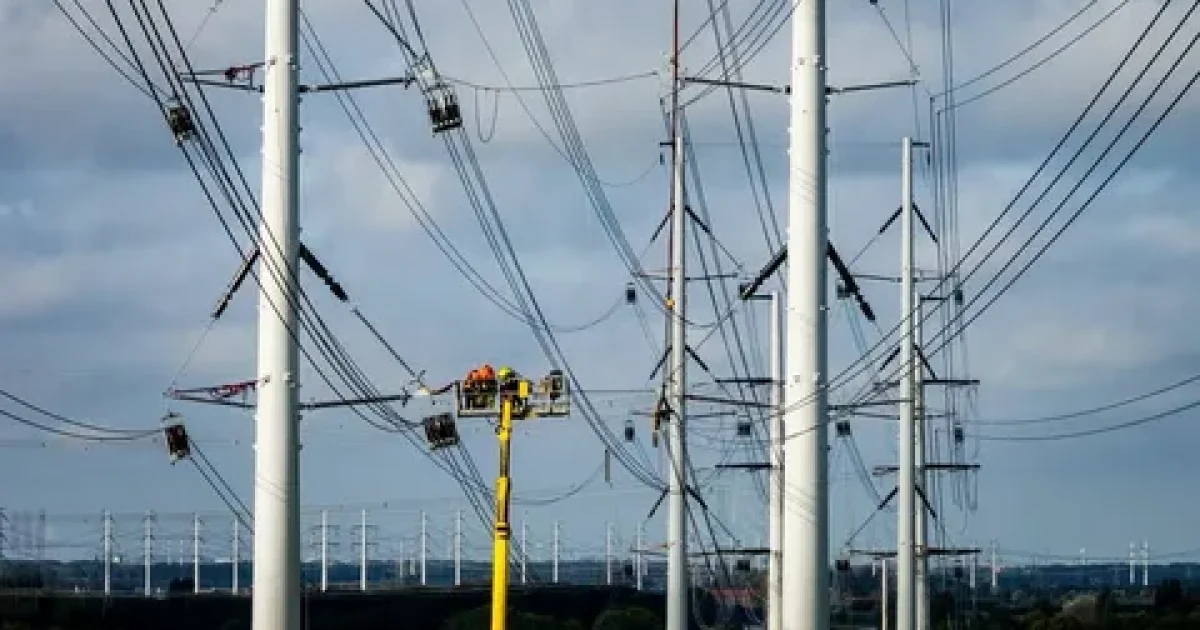
A safe and dependable power supply starts with the right grid connection. Whether you are building a new home, upgrading a commercial site, installing solar panels, expanding an industrial facility, or connecting renewable energy equipment, the process must be handled carefully from the beginning. Grid connection services help property owners, developers, contractors, and businesses connect their electrical systems to the main power network with confidence.
A grid connection is more than simply running cables to a property. It involves planning, technical assessment, utility coordination, approvals, electrical design, installation, testing, and compliance. When done correctly, it supports reliable power, safer operation, and long-term energy performance. When done poorly, it can lead to delays, safety risks, power quality issues, and costly rework.
Reliable power connection solutions are especially important today because energy needs are changing. Homes are using more smart devices, businesses need uninterrupted electricity, and many properties are adding solar, battery storage, electric vehicle chargers, and backup power systems. A professional grid connection service helps make sure these systems are designed to work safely with the electrical grid.
What Is a Grid Connection?
A grid connection is the link between a property, project, or energy system and the electricity network. It allows power to flow from the utility grid to a building or, in some cases, from a local energy system back into the grid.
For a standard property, grid connection provides access to electricity for lighting, appliances, heating, cooling, equipment, machinery, and daily operations. For renewable energy projects, such as solar power systems, grid connection may also allow excess energy to be exported when the system produces more electricity than the property uses.
Why Grid Connection Matters
The quality of your grid connection affects how well your electrical system performs. A properly planned connection helps ensure that the power supply is stable, safe, and suitable for the property’s demand. It also helps prevent problems such as voltage fluctuations, overloaded equipment, failed inspections, or utility approval delays.
For businesses, a reliable grid connection can support productivity and reduce downtime. For homeowners, it provides everyday comfort and safety. For solar and renewable energy projects, it allows the system to operate correctly within utility requirements.
Who Needs Grid Connection Services?
Grid connection services are useful for many types of customers. Any project that needs a new electrical supply, upgraded power capacity, or connection to a generation system may require professional support.
Residential Grid Connection
Homeowners may need grid connection services when building a new house, adding an extension, upgrading electrical capacity, installing solar panels, or preparing for electric vehicle charging. A properly designed connection helps ensure the home receives enough power for daily use and future energy needs.
Commercial Power Connection
Commercial properties often need higher electrical capacity than homes. Offices, shops, restaurants, warehouses, schools, medical facilities, and mixed-use buildings may require carefully planned power connection solutions. The electrical load must be assessed so the connection can support lighting, HVAC systems, equipment, security systems, refrigeration, computers, and other essential operations.
Industrial Grid Connection
Industrial facilities may require more complex grid connection planning because of heavy machinery, motors, production lines, and high-demand equipment. These projects often involve detailed engineering, load studies, protection systems, and coordination with utility providers.
Solar and Renewable Energy
Solar panels, wind systems, battery storage, and other distributed energy resources often need approval before being connected to the grid. A solar grid connection must be designed so the system operates safely, meets technical standards, and works properly with the existing electrical infrastructure.
The Grid Connection Process
Every project is different, but most grid connection services follow a structured process. This helps reduce delays and ensures each step is completed correctly.
Initial Site Assessment
The first step is understanding the property and its energy needs. A site assessment may include reviewing current electrical infrastructure, available utility supply, meter location, switchboards, cable routes, load requirements, and future expansion plans.
For new developments, the assessment may also include site layout, building plans, and estimated demand. For renewable energy projects, it may include solar generation capacity, inverter size, battery storage, and export requirements.
Load Calculation and Power Demand Review
Load calculation is a key part of grid connection planning. It helps determine how much electricity the property or system will need. This includes normal daily use, peak demand, equipment startup loads, and potential future additions.
A home with standard appliances may need a different connection than a property with EV chargers, heat pumps, workshops, or large air conditioning systems. A commercial site with refrigeration or production equipment may require a more advanced power connection solution.
Utility Application and Approval
Most grid connection projects require communication with the local utility or network operator. Applications may include technical documents, electrical diagrams, load details, equipment specifications, and project information.
Approval times can vary depending on the project size, local requirements, network capacity, and whether upgrades are needed. Professional support can help make the application clearer and reduce the chance of missing information.
Electrical Design and Engineering
After the requirements are understood, the electrical design can be prepared. This may include service lines, metering arrangements, switchboards, protection equipment, cable sizing, grounding, inverters, transformers, or backup systems.
For larger or more complex projects, engineering design is especially important. A well-designed grid connection supports safety, efficiency, reliability, and compliance.
Installation and Connection Work
Once approvals and designs are in place, licensed electrical professionals can carry out the installation. This may include trenching, cable installation, switchboard upgrades, meter setup, equipment mounting, system wiring, and final connection.
Safety is critical during this stage. Grid connection work should always be completed by qualified professionals who understand electrical codes, utility requirements, and safe work practices.
Testing, Inspection, and Commissioning
Before a system becomes fully operational, it must be tested and inspected. Testing helps confirm that equipment is installed correctly, protection systems work as intended, and the connection is safe to use.
Commissioning is especially important for solar, battery, and renewable energy systems. It ensures the equipment communicates properly, shuts down safely when required, and performs according to design expectations.
Key Benefits of Professional Grid Connection Services
Hiring experienced professionals for grid connection services offers several important advantages.
Safer Electrical Systems
Electrical grid connection involves high-risk work. Professional planning and installation help reduce hazards such as overloads, poor grounding, faulty protection, and unsafe wiring. Safety should always be the top priority.
Faster Project Progress
Grid connection delays can hold up construction, business openings, solar installations, or equipment upgrades. A knowledgeable service provider can help coordinate documents, applications, inspections, and timelines more efficiently.
Better Long-Term Performance
A connection designed only for today’s needs may become a problem later. Professional power connection solutions consider future growth, added equipment, renewable energy, EV charging, and changing demand.
Compliance With Requirements
Grid connection projects must often meet electrical codes, utility rules, and inspection requirements. Professional support helps ensure the project is completed according to the relevant standards for the location and system type.
Grid Connection for Solar Power Systems
Solar energy has become one of the most common reasons property owners need grid connection support. A grid-connected solar system allows a home or business to use solar power while still remaining connected to the main electricity network.
How Solar Grid Connection Works
During the day, solar panels generate electricity that can be used by the property. If the system produces more power than the property needs, excess electricity may be exported to the grid where local rules allow. When solar production is low, such as at night or during cloudy weather, the property can use electricity from the grid.
Why Solar Interconnection Must Be Planned Carefully
Solar grid connection requires more than installing panels. The inverter, switchboard, meter, export settings, protection devices, and utility approval must all be considered. If the system is too large for the existing connection or local network conditions, upgrades or export limits may be required.
Battery Storage
Battery storage adds another layer to the connection design. Batteries can store excess solar energy, provide backup power, and help manage electricity use. However, battery systems must be properly integrated with the grid, solar inverters, and safety controls.
Common Grid Connection Challenges
Grid connection projects can face challenges, especially when planning is incomplete or requirements are misunderstood.
Limited Network Capacity
In some areas, the local electricity network may have limited capacity for new loads or energy exports. This can affect large developments, commercial upgrades, or renewable energy projects.
Incomplete Applications
Missing documents, unclear diagrams, or incorrect equipment details can slow down utility approval. Proper preparation helps avoid unnecessary delays.
Older Electrical Infrastructure
Older properties may need switchboard upgrades, meter changes, grounding improvements, or cable replacements before a new connection can be approved.
Changing Energy Needs
A property that once had simple electricity needs may now require power for EV charging, solar panels, heat pumps, smart systems, or business equipment. Planning for future demand can help avoid repeated upgrades.
Choosing the Right Grid Connection Service Provider
The right provider can make the grid connection process easier, safer, and more efficient.
Look for Technical Experience
Choose a team that understands electrical design, utility coordination, solar interconnection, load assessment, and compliance. Experience matters, especially for commercial, industrial, and renewable energy projects.
Clear Communication
A good provider should explain the process in simple terms, outline what documents are needed, and keep you updated throughout the project.
Focus on Safety and Compliance
Avoid shortcuts when dealing with electrical. The provider should follow proper safety procedures and work according to local regulations and utility requirements.
Ability to Support Future Growth
A strong power connection solution should consider not only your current needs but also future upgrades, equipment additions, and energy goals.
Conclusion
Grid connection services play an important role in creating safe, reliable, and efficient power systems. Whether you need electricity for a new property, a commercial upgrade, an industrial facility, a solar power system, or a renewable energy project, the connection must be planned and completed properly.
A reliable grid connection supports daily comfort, business operations, energy performance, and long-term safety. By working with experienced professionals, you can simplify the process, reduce delays, meet utility requirements, and prepare your property for future power needs.
If you are planning a new electrical connection, service upgrade, solar grid connection, or complete power connection solution, professional support can help you move forward with confidence.
Frequently Asked Questions
What is a grid connection service?
A service helps connect a home, business, solar system, or energy project to the main electricity network. It may include site assessment, load calculation, utility applications, electrical design, installation, testing, and final approval.
Why do I need professional grid connection support?
Professional support helps ensure your power connection is safe, reliable, and compliant with utility requirements. It can also reduce delays, avoid design mistakes, and make sure your electrical system can handle current and future power needs.
Can solar panels be connected to the grid?
Yes, solar panels can be connected to the grid when the system is properly designed, approved, and installed. A solar grid connection allows your property to use solar energy while still receiving power from the electricity network when needed.