
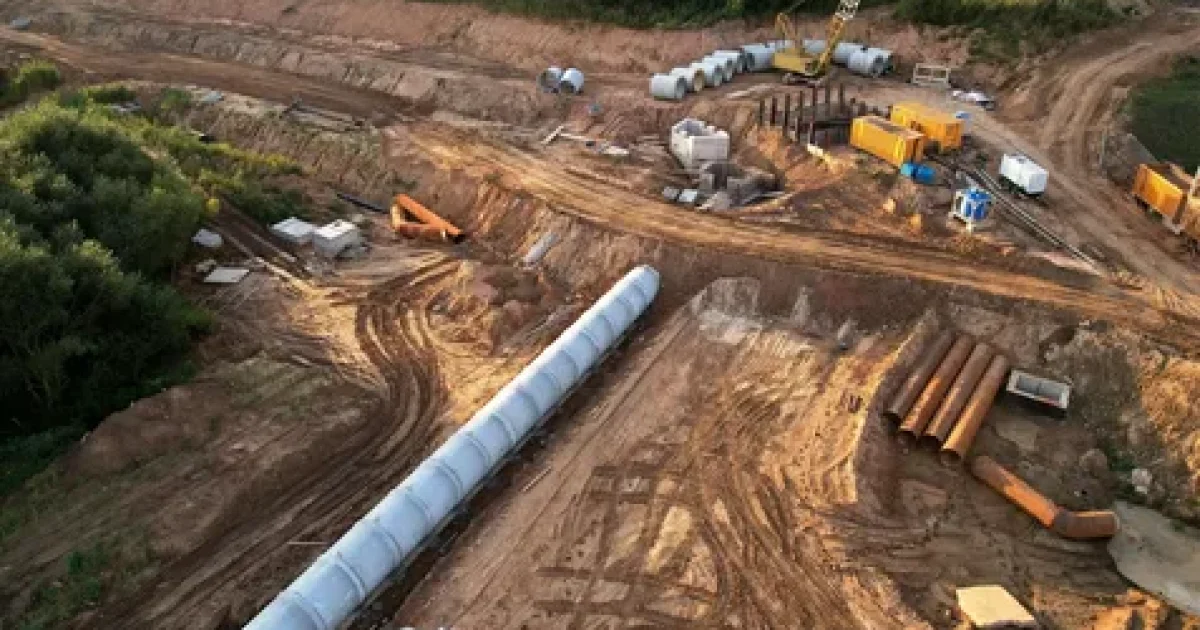
Underground utility installation is the process of placing essential infrastructure below ground instead of installing services on poles or above the surface.
In Auckland, underground services can form an important part of new residential developments, subdivisions, commercial projects, and infrastructure upgrades.
Depending on the project, underground utility installation work may include the following:
Electricity cables
Telecommunications networks
Fibre-optic services
Water supply infrastructure
Wastewater services
Stormwater systems
Gas infrastructure
Utility ducts and conduits
The exact requirements depend on the development, site conditions, network provider specifications, and local authority requirements.
Why Is Underground Utility Installation Important in Auckland?
Auckland continues to experience residential growth, subdivision activity, and commercial development. As new properties are created, infrastructure needs to be planned so essential services can reach each site safely and efficiently.
Underground utilities can provide several practical benefits.
Improved Streetscape
Placing cables and other services underground can reduce the amount of visible infrastructure above ground.
This can create a cleaner streetscape, particularly in new subdivisions and urban developments.
Better Protection for Utility Infrastructure
Underground services are generally protected from some of the risks associated with exposed overhead infrastructure, although underground networks still require careful design and maintenance.
Better Planning for New Developments
A properly designed underground utility network can create an organized route for multiple services across a development.
This is particularly important when several properties require new connections.
Support for Future Infrastructure
Well-planned utility corridors and ducts can make future infrastructure upgrades or additional connections easier to manage.
What Utilities Can Be Installed Underground?
Underground utility installation is not limited to electricity.
Underground Electricity Installation
Electrical cables can be installed below ground to supply new homes, commercial buildings and subdivisions.
The installation may involve:
- Underground cables
- Service ducts
- Cable pits
- Connection points
- Transformers
- Switchgear
- Network infrastructure
Electrical work must follow the requirements of the relevant network operator and applicable New Zealand standards.
Telecommunications and Fibre
Modern developments also require reliable telecommunications infrastructure.
Underground telecommunications installation can include:
Fibre-optic cables
Communication ducts
Telecommunications pits
Service conduits
Connection infrastructure
Planning these services alongside electrical infrastructure can help reduce unnecessary excavation.
Water and Wastewater Services
Residential and commercial developments may also require underground water and wastewater infrastructure.
The design needs to consider:
Pipe sizing
Gradients
Service connections
Access points
Existing networks
Ground conditions
Council requirements
Stormwater Infrastructure
Stormwater systems are another major component of development infrastructure.
Depending on the project, underground stormwater works can include pipes, manholes, catchpits, drainage structures and associated connections.
How Does Underground Utility Installation Work?
The installation process varies depending on the site and utility type, but most projects follow a logical sequence.
Site Investigation and Planning
Before excavation begins, the project team needs to understand the site.
This can include reviewing:
Existing utility plans
Property boundaries
Ground conditions
Existing underground services
Proposed building locations
Road layouts
Utility corridors
Required connection points
Early planning helps identify potential conflicts before construction begins.
Utility Design
The next stage is developing a suitable underground services design.
The design should consider the location of each service and the required separation between different utilities.
Coordinating Multiple Services
Electricity, telecommunications, water, wastewater, and stormwater infrastructure may all occupy the same development area.
Poor coordination can result in service clashes, redesign work and construction delays.
For this reason, utility corridors should be planned before excavation begins.
Service Locating
Existing underground infrastructure needs to be identified before digging.
This is especially important in established Auckland areas where underground services may have been installed at different times.
Service locating can involve reviewing available records and using appropriate detection methods.
Excavation and Trenching
Once the route has been established, trenches can be excavated for pipes, ducts and cables.
The required trench depth and width depend on the utility, installation method and relevant specifications.
Trench Safety
Excavation work must be properly planned and managed.
Ground conditions, trench stability, nearby structures, traffic and existing services all need to be considered.
Duct, Pipe or Cable Installation
After the trench has been prepared, the required infrastructure is installed.
This may include:
Electrical ducts
Power cables
Fibre ducts
Water pipes
Drainage pipes
Communication conduits
Installation needs to follow the approved design and relevant utility requirements.
Inspection and Testing
Before the trench is permanently closed, the installed infrastructure may need to be inspected or tested.
Depending on the utility, this can include checking the following:
Installation depth
Cable or pipe placement
Duct condition
Connections
Testing requirements
Service separation
Documentation
Backfilling and Reinstatement
Once the installation has been approved, the trench can be backfilled.
The final stage may involve reinstating the following:
Driveways
Footpaths
Roads
Landscaping
Kerbs
Other affected surfaces
Good reinstatement is important because underground utility work should leave the finished area safe, stable and suitable for its intended use.
Underground Utility Installation for Auckland Subdivisions
Subdivision projects are one of the most common situations where extensive underground infrastructure is required.
When one property is divided into multiple lots, each new property may require appropriate utility services.
What Needs to Be Planned?
A subdivision utility plan may need to consider the following:
Electricity connections
Fibre and telecommunications
Water supply
Wastewater
Stormwater
Utility corridors
Easements
Access routes
Service trenches
Future maintenance
Why Early Coordination Matters
Underground utility installation can affect the wider subdivision programme.
For example, building foundations, driveways and landscaping may depend on utilities being installed first.
If utility works are delayed, other construction activities can also be affected.
Planning the utility network early helps the development team coordinate different stages of construction.
Underground Power Installation in Auckland
Electricity infrastructure requires particular attention because electrical cables and associated equipment must meet network and safety requirements.
For a new property, the electrical connection may need to be coordinated with the relevant electricity network provider.
The project may involve:
- Determining the required electrical load
- Identifying a suitable connection point
- Designing the cable route
- Installing ducts
- Completing civil works
- Installing electrical infrastructure
- Inspection and testing
- Connection and energisation
For Auckland developments connected to the Vector network, connection requirements should be confirmed with Vector and the project’s electrical professionals.
What Affects the Cost of Underground Utility Installation?
There is no single price for underground utility installation in Auckland.
Project costs can vary significantly depending on site conditions and the type and quantity of infrastructure required.
Key Cost Factors
Excavation Conditions
Rock, hard ground, contaminated soil or difficult access can increase excavation costs.
Trench Length
Longer utility routes generally require more excavation, materials, and labor.
Number of Utilities
Installing several services together can increase project complexity but may also reduce duplicated excavation when properly coordinated.
Road and Footpath Crossings
Work within roads or public areas may require additional traffic management, permits, reinstatement, and construction controls.
Existing Underground Services
Working around existing infrastructure can require additional planning and specialized equipment.
Project Size
A single residential connection is very different from a large subdivision or commercial development.
How Long Does Underground Utility Installation Take?
The timeframe depends on the scale and complexity of the project.
A straightforward service installation may be completed relatively quickly, while larger developments can require significantly more planning and construction time.
Factors that can affect the schedule include:
- Design approvals
- Utility provider requirements
- Site access
- Ground conditions
- Weather
- Existing services
- Excavation requirements
- Material availability
- Inspection requirements
- Road-opening requirements
- Number of properties being serviced
For development projects, underground utilities should therefore be included in the construction program from the beginning.
Common Challenges With Underground Utility Installation
Unknown Existing Services
Old or incomplete records can make existing underground infrastructure difficult to identify.
Service Conflicts
Two utilities may require the same route or installation space if coordination is not completed early.
Difficult Ground Conditions
Rock, unstable soil, and groundwater can make trenching more complicated.
Restricted Site Access
Narrow streets, existing buildings, and busy roads can limit excavation options.
Poor Project Sequencing
Installing utilities after roads, driveways, or landscaping is completed can result in unnecessary rework.
How to Plan a Successful Underground Utility Project
A successful project starts well before the first trench is excavated.
Work With the Right Professionals
Depending on the project, you may need civil contractors, electricians, utility designers, surveyors, engineers and network providers.
Identify Existing Services Early
Do not rely solely on assumptions about what is underground.
Confirm existing services before excavation.
Coordinate Utility Routes
Where multiple services are being installed, coordinate the routes and required separation during the design stage.
Allow Time for Approvals
Some projects require approvals or coordination with councils, network operators or other authorities.
Plan Reinstatement
The project should include a clear plan for restoring roads, footpaths, driveways and landscaping after installation.
Underground Utility Installation vs Overhead Services
Both approaches can be used depending on the location and project requirements.
| Underground Utilities | Overhead Utilities |
|---|---|
| Infrastructure is below ground | Infrastructure is above ground |
| Cleaner visual appearance | More visible infrastructure |
| Requires excavation | Usually less excavation |
| Can involve higher civil costs | May have simpler installation in some locations |
| Requires careful underground service planning | Can be more exposed to external conditions |
For new Auckland developments, underground installation is often considered during the overall infrastructure design process.
Final Thoughts
Underground utility installation in Auckland is an important part of modern residential, commercial, and subdivision development.
From underground power and fiber-optic networks to water, wastewater, and stormwater services, effective utility planning helps ensure new properties can receive the infrastructure they need.
The most important step is to plan early. Coordinating utility routes, existing services, civil works, network requirements, and reinstatement before construction starts can reduce conflicts, delays, and unnecessary excavation.
For Auckland property owners, builders, and developers, a well-planned underground utility installation can provide a practical foundation for reliable infrastructure and future development.
Frequently Asked Questions
What is underground utility installation?
It is the underground utility installation infrastructure, such as electricity cables, telecommunications, water pipes, and drainage systems below ground.
How much does underground utility installation cost in Auckland?
The cost depends on the project size, trench length, ground conditions, utilities required, access, existing services, and reinstatement requirements.
Can electricity and fiber be installed in the same trench?
Potentially, but the exact arrangement depends on the relevant utility requirements, ducting, separation, and approved design.
Do I need approval for underground utility work?
Requirements vary depending on the location, utility, and project. Work involving public roads, footpaths, or network infrastructure may require additional approvals and coordination.